
Art + Culture
Theatre and Dance at Wayne Kicks off The Raisin Cycle
February 15, 2016·By BLAC Editorial
This three-play series in honor of Black History Month will examine issues of gentrification and race relations
February 15, 2016
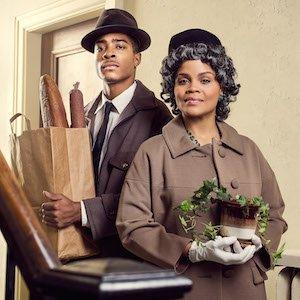
ayne State University's Maggie Allesee Department of Theatre and Dance launches its first Black History Month series around discussions about race relations, urban renewal and gentrification. The Raisin Cycle series consists of three plays stemming from Lorraine Hansberry's classic A Raisin in the Sun. The series also includes productions of Clybourne Park and Beneatha's Place.
The series kicked off this weekend with the opening of A Raisin in the Sun, which runs through Feb. 21 at The Bonstelle Theatre. For those unfamiliar with the play or the film adaptations, A Raisin in the Sun follows the Younger family as they deal with prejudice and racism in 1950s Chicago, centered around the family's attempt to purchase a house in a white neighborhood and the financial stumbles along the way.
Opening Feb. 19, The Raisin Cycle continues with a production of Beneatha's Place by Kwame Kwei-Armah. Crafted as a response to A Raisin in the Sun, Beneatha's Place explores the power of identity through the story of Beneatha Younger, the youngest sister who discovers Afrocentrism, from A Raisin in the Sun. Beneatha's place runs through Feb. 28 in The Studio Theatre.
The series will close with a production of the Pulitzer Prize-winning play Clybourne Park by Bruse Norris at WSU's Hilberry Theatre, which runs Feb. 26-April 2.
Clybourne Park Director Tim Rhoze says the play tells two parallel stories in one play: One taking place in 1959, the other in 2009.
"There are so many similarities from 1959 to 2009, and you’ll hear it in the language that he has so brilliantly composed," Rhoze says. "It feels that we have come so far in 50 years from 1959 to 2009, but that journey has not been that far at all."
While Hansberry's original work magnified the attempts of working- and middle-class Black families’ attempts to climb the ladder, current works show the difficulties those same families have maintaining their place generations later. Rhoze says Clybourne Park will address a number of issues, including gentrification and classism, facing Detroit and other large cities.
"All of these things are, by-and-large, things that people avoid. They don't want to talk about it," Rhoze says. "But with this play, they're forced to talk about it.
"It should lead to conversation about one’s own prejudices," he adds. "(Conversations) about point of view, about how they're living their lives. They should be disturbed. They should be wanting to take a look around, and to see what's what."
For more information visit DetroitRaisinCycle.com.
Every question deserves a better answer than a search result — here's where this story leads.

Why Every Metro Detroit Nonprofit Should Be Thinking About AI
How a local workshop is helping nonprofit leaders turn curiosity into practical action. For many nonprofit leaders, artificial intelligence still feels like something meant for Silicon Valley or Fortune 500 companies. It isn’t. Whether your organization has three employees or three hundred, AI is quickly becoming another tool that can help teams spend less time […]
Althea Gibson’s Second Act
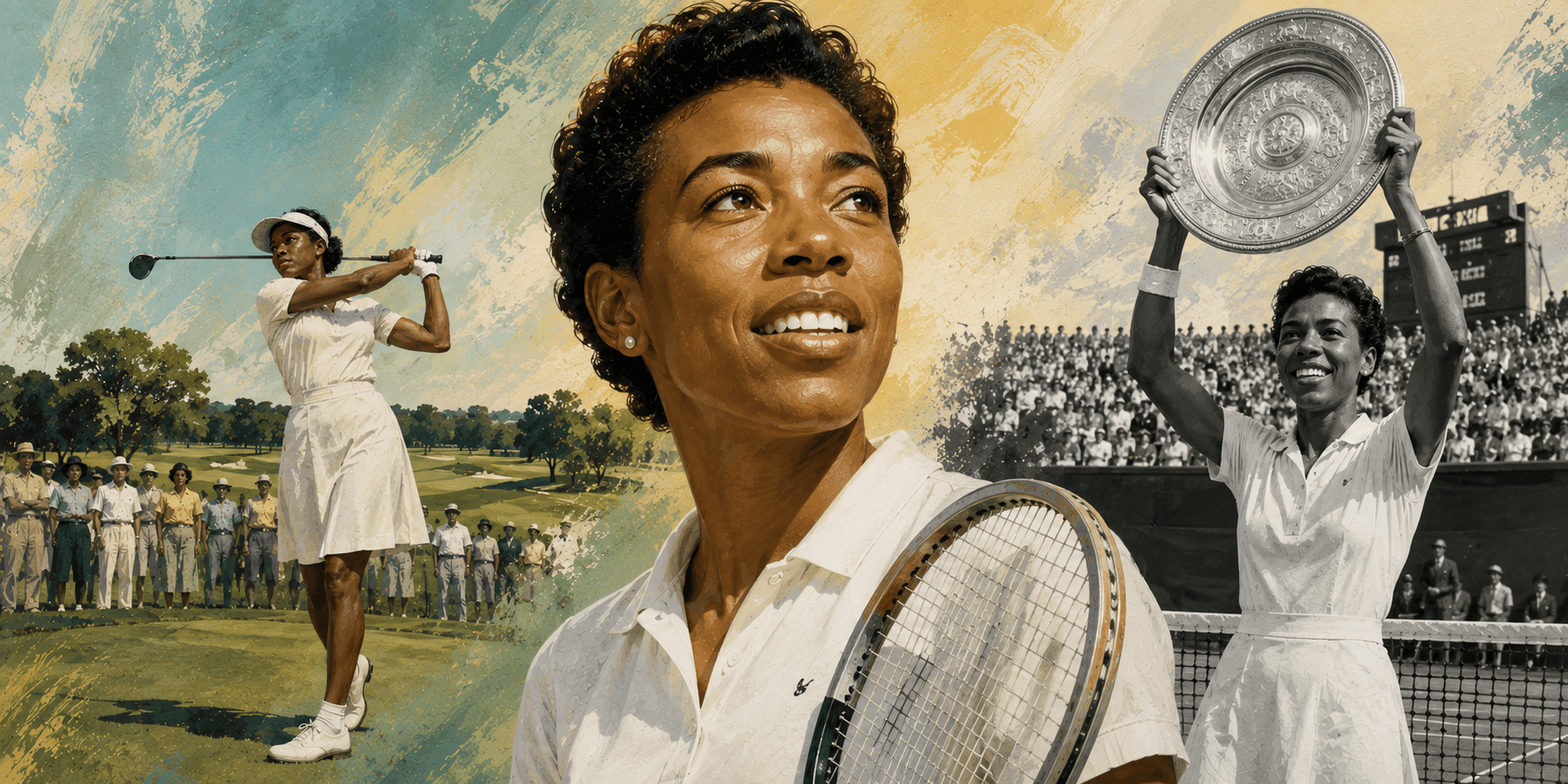
Most people remember Althea Gibson as a tennis legend. Fewer know she also became the first Black woman to compete on the LPGA Tour, breaking another barrier and opening doors for generations of Black women golfers.

Detroit Jazz Festival 2026 Guide
A local guide to navigating the Detroit Labor Day weekend jazz celebration.
Help Us Get It Right
This coverage is a community project.
Spot something outdated? Know a person, business, or organization this story should connect to? A story we should tell next? It goes straight to our editors — privately.