Detroit Jazz Festival 2026 Guide
A local guide to navigating the Detroit Labor Day weekend jazz celebration.

July 26, 2026 · Updated July 27, 2026
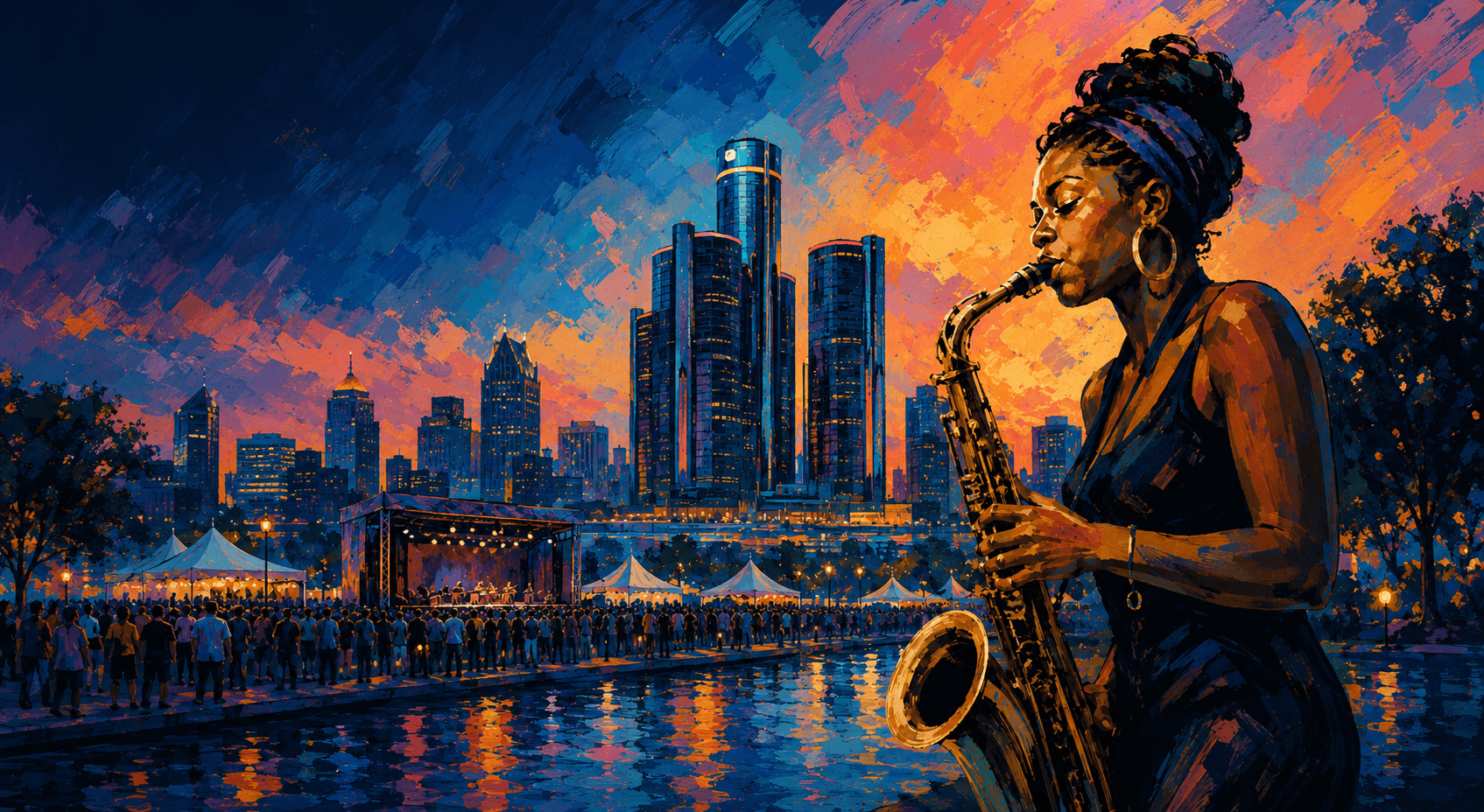
Every Labor Day weekend, Detroit does something no other American city does: it hands its riverfront to jazz and invites the world in for free. The Detroit Jazz Festival — now in its 47th year — fills Hart Plaza for four days with sound, from Friday evening through Monday night, September 4–7. The festival bills itself as the world’s largest free jazz festival, and it has held that ground since 1980: no ticket, no gate, no velvet rope between the city and the music.
That openness isn’t a promotion. It’s a value — and in Detroit, it lands on deep soil. This city’s jazz story is a Black story: the clubs of Paradise Valley and Black Bottom where the music lived for decades, the Cass Tech music rooms that shaped players like Ron Carter, the church basements and union halls and late-night sessions that made Detroit a city musicians come from, not just a city they pass through. When the festival takes over downtown, it isn’t importing culture to Detroit. It’s turning up the volume on what was already here.
The 2026 edition gives you more reasons than usual to be downtown. The festival’s stages are gathered in Hart Plaza this year, with late-night sets continuing at the Gretchen C. Valade Jazz Center in Midtown. Saxophonist Joe Lovano serves as the festival’s 2026 Artist-in-Residence. And the calendar carries real weight: John Coltrane was born in September 1926, and the festival closes its final night inside his centennial month with a Coltrane 100 celebration.
A word about what this guide is — and isn’t. The festival’s own site is the source of truth for everything operational: the full lineup, set times, policies, accessibility services, VIP packages, and the live stream. Visit Detroit is the place to plan the rest of your trip. We link you to both throughout, and we won’t pretend to maintain what they already maintain better.
What BLAC brings is the part no schedule can give you: which sets we think will matter and why, how to shape a festival day, and the Black Detroit that surrounds the music — the restaurants, the shops, the museums, the rooms where jazz plays the other 361 days of the year. The festival is free. The city is the reason to stay. Consider this your invitation to both.
Every question deserves a better answer than a search result — here's where this story leads.
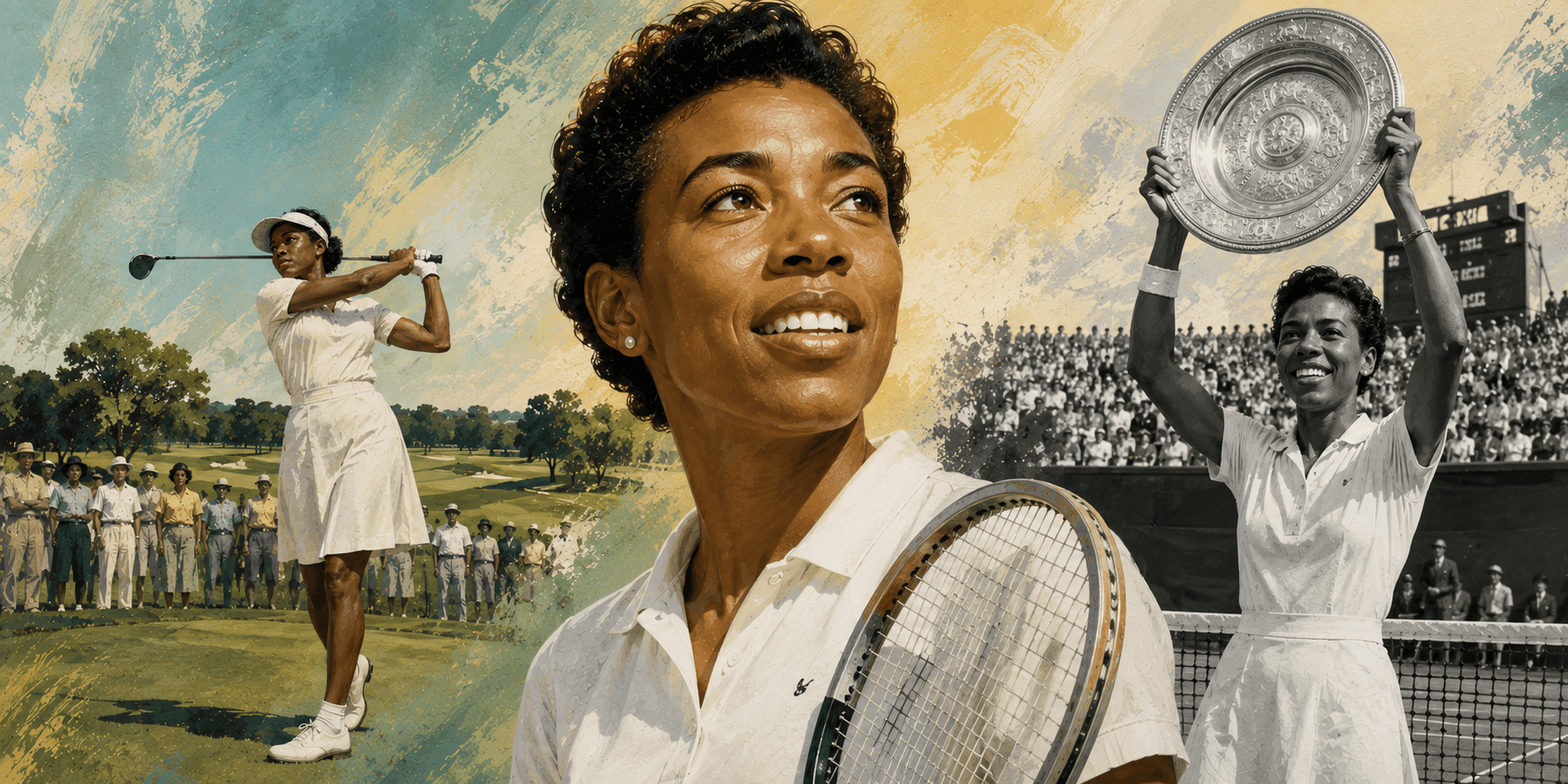
Althea Gibson’s Second Act
Most people remember Althea Gibson as a tennis legend. Fewer know she also became the first Black woman to compete on the LPGA Tour, breaking another barrier and opening doors for generations of Black women golfers.
The Women Who Changed Black Golf Forever
Long before diversity initiatives became common in golf, pioneering Black women were competing, winning championships, building clubs, mentoring juniors, and opening doors for future generations.
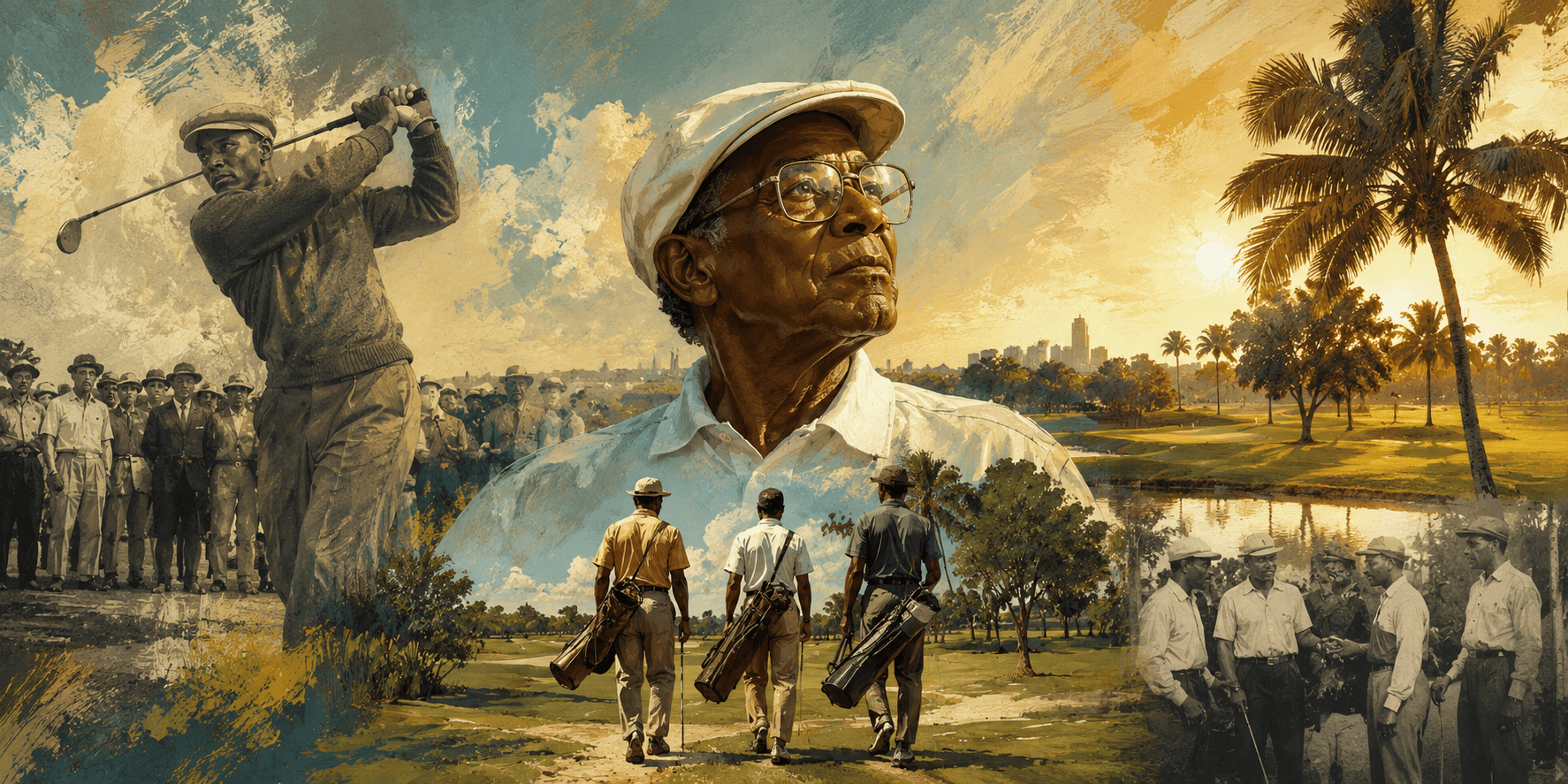
Central Florida’s Black Golf Legacy Runs Deeper Than Most People Realize
From Herbert Dixon in Bartow to generations of golfers throughout Polk County, Orlando, and Tampa, Central Florida has quietly produced an important chapter in Black golf history that is only beginning to be documented.
Help Us Get It Right
This coverage is a community project.
Spot something outdated? Know a person, business, or organization this story should connect to? A story we should tell next? It goes straight to our editors — privately.