
News + Features
The Truth About Recessions
August 27, 2012·By BLAC Editorial
Everyone is afraid because recessions are bad, but few really know what a recession is
August 27, 2012
ast Wednesday, the Congressional Budget Office (CBO), an economic organization that analyzes budget issues for Congress (think of mom and dad explaining to their kids how much owning a dog is really going to cost), said that the country is likely to be in a new recession if the fight over tax and spending cuts continues between Democrats and Republicans.
The new prediction comes from the CBO’s annual summertime report. The budget office said that letting the decade-old Bush tax cuts expire while also allowing the enormous spending cuts happen in January, “would lead to economic conditions in 2013 that will probably be considered a recession.”
The spending cuts are the $1.2 trillion in universal budget cuts that will go into effect because the “Super Congress” completely failed to come to an agreement last year.
If that happened, the economy would contract by 0.5 percent and unemployment would rise to around 9 percent by late next year, the analysts said. Naturally, everyone is afraid because recessions are bad, but few people really know what a recession is.
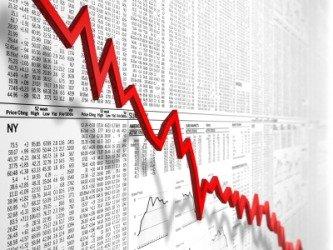
A recession is simply three consecutive fiscal quarters of negative economic growth. It doesn’t matter how negative the growth is (so it could be 5 percent negative or 0.5 percent negative) as long as we have three consecutive quarters.
Conversely, if we had two quarters of negative growth and one positive quarter, that is not a recession. It takes three quarters of negative growth and normally another two quarters of review before a recession is declared.
That means by the time we are told we are in a recession we have been in the recession for five to six months.
The truth is that most people don’t “feel” a recession until they are told they are in one. But by the time they are told, they’ve been in it for six months. If you look at the numbers from the recession we just came out of in 2009, the worst of it happened once the recession was declared.
The opposite is true to come out of a recession. It takes three consecutive quarters of positive growth to get out and another one to two months of review before it is declared. That’s why despite the fact that no one can argue the recession ended in June 2009, many people still don’t “feel” like it is over.
Nine percent unemployment is certainly not ideal, but in an economy where there is 9 percent unemployment, there is also 91 percent employment. Notice it’s never phrased that way. More than an economic reality, recession is a state of mind.
 Email
Email Print
Print
Every question deserves a better answer than a search result — here's where this story leads.

Why Every Metro Detroit Nonprofit Should Be Thinking About AI
How a local workshop is helping nonprofit leaders turn curiosity into practical action. For many nonprofit leaders, artificial intelligence still feels like something meant for Silicon Valley or Fortune 500 companies. It isn’t. Whether your organization has three employees or three hundred, AI is quickly becoming another tool that can help teams spend less time […]

Althea Gibson’s Second Act
Most people remember Althea Gibson as a tennis legend. Fewer know she also became the first Black woman to compete on the LPGA Tour, breaking another barrier and opening doors for generations of Black women golfers.

Detroit Jazz Festival 2026 Guide
A local guide to navigating the Detroit Labor Day weekend jazz celebration.
Help Us Get It Right
This coverage is a community project.
Spot something outdated? Know a person, business, or organization this story should connect to? A story we should tell next? It goes straight to our editors — privately.