
Art + Culture
The Supremes’ ‘Where Did Our Love Go’ preserved in the Library of Congress
March 24, 2016·By BLAC Editorial
The Motown hit is “historically significant to American society.”
March 24, 2016
he Supremes’ “Where Did Our Love Go,” a quintessential Motown tune that featured the record label’s signature handclaps and foot stomps and was the first in a long line of big hits for the group, will now be preserved in the Library of Congress’ National Recording Registry.
The Library of Congress routinely selects American songs, musical bodies of work and other sound recordings that “have been recognized for their cultural, artistic and/or historical significance to American society and the nation’s aural legacy.” 25 new additions were added to the registry this week, including the jazz tune “Mack the Knife,” the American standard “Let Me Call You Sweetheart” and the Impressions’ “People Get Ready.”
The Holland-Dozier-Holland-penned “Where Did Our Love Go” turned the “no-hit Supremes” into Motown’s premier girl group, setting off a run of No. 1 hits and helping to cement Motown Records as the dominant soul imprint of its time.
As the Library of Congress notes in its registry, Diana Ross, who had recently been named lead singer of the group, originally did not want to record the tune, but was coerced by the songwriting trio. Here’s more from the Library:
Diana Ross, Mary Wilson and Flo Ballard did not think much of “Where Did Our Love Go” when it was brought to them by Motown’s star songwriters and producers Holland, Dozier and Holland in April of 1964. They all found the lyrics simplistic, even childish. Diana Ross reportedly disliked singing in a low, unfamiliar key. The arrangement left the other Supremes with what seemed like very small supporting roles. But the group had produced only minor hits for Motown to that point, and they were in no position to refuse the song. When Ross sang in the lower register, she found a distinctive and mature tone that set her apart from other female singers, and when Wilson and Ballard had mastered the behind-the-beat timing of their parts, the group’s performance revealed a depth of longing in the lyrics that made the song stand out.
Every question deserves a better answer than a search result — here's where this story leads.

Why Every Metro Detroit Nonprofit Should Be Thinking About AI
How a local workshop is helping nonprofit leaders turn curiosity into practical action. For many nonprofit leaders, artificial intelligence still feels like something meant for Silicon Valley or Fortune 500 companies. It isn’t. Whether your organization has three employees or three hundred, AI is quickly becoming another tool that can help teams spend less time […]
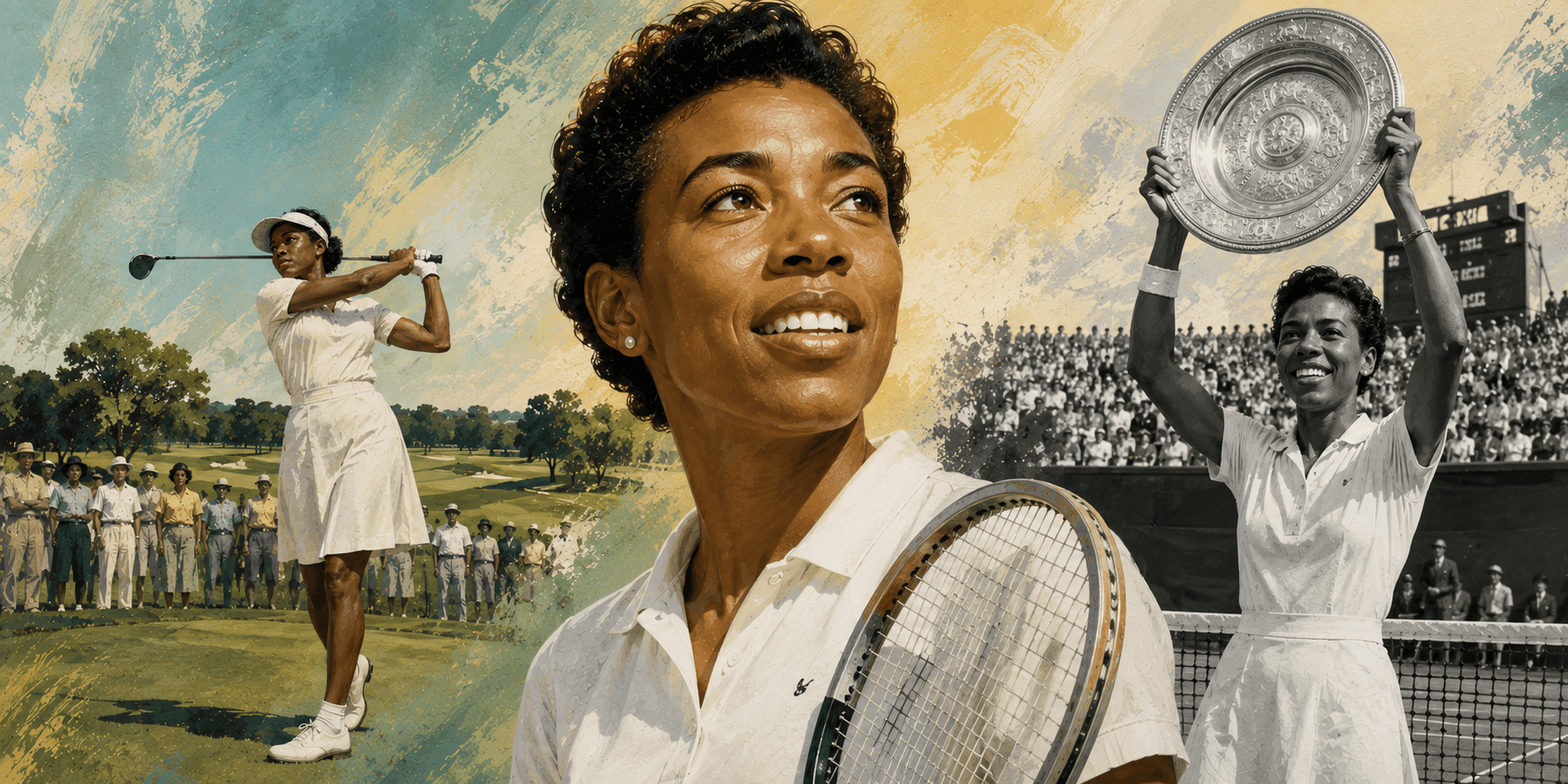
Althea Gibson’s Second Act
Most people remember Althea Gibson as a tennis legend. Fewer know she also became the first Black woman to compete on the LPGA Tour, breaking another barrier and opening doors for generations of Black women golfers.

Detroit Jazz Festival 2026 Guide
A local guide to navigating the Detroit Labor Day weekend jazz celebration.
Help Us Get It Right
This coverage is a community project.
Spot something outdated? Know a person, business, or organization this story should connect to? A story we should tell next? It goes straight to our editors — privately.