
News + Features
The ‘Quaint’ Detroit Villages
July 2, 2013·By BLAC Editorial
Community groups are helping Detroit’s lower eastside make a comeback with new retail, home renovation projects and more
July 2, 2013
Content brought to you by Ford Motor Company Fund
uiet, quaint and quirky. That’s how Brian Hurttienne, executive director of The Villages Community Development Corporation, describes the city’s lower eastside.
The six neighborhoods that make up The Villages are "very unique," and each of the area’s three historic districts-Indian Village, West Village and Berry Sub-are “very distinctive,” Hurttienne says.
In 2006, a group of area residents wanted to “make the amenities in the neighborhood come to life,” he says, so they formed The Villages CDC.
“Most recently, (the) starting mission of the organization is being realized with the businesses to move in on Agnes Street,” Hurttienne says of the historic West Village street. “There are a number of vacant store fronts on Agnes and we are actually in the final stages of getting businesses to open up.” Tarot & Tea and Detroit Vegan Soul are just two moving into the neighborhood.
“It’s a very tight-knit community,” says Erika Boyd, co-owner of Detroit Vegan Soul, noting that West Village is “the perfect, quaint neighborhood” for her business.
Hurtienne says he’s also “starting on other areas” to jumpstart investment.
The Villages CDC was selected as a developer by Detroit in the Neighborhood Stabilization Program III, meaning it will receive grant money to acquire homes, renovate and sell them to low-moderate income families, he says.
In Indian Village, the Historic Indian Village Association does a lot to keep the historic area attractive. Michael Strizich, president of the Historic Indian Village Association and resident for about 35 years, says they run social activities like Halloween parties and Easter egg hunts for kids, have gardening clubs, organize snow plowing in the winter, cut the grass on vacant lots and tidy and secure foreclosed lots.
But it’s the neighborhood residents that make it really special.
“Maybe it’s the houses that initially draw people to the neighborhood,” he says, “but it's the people who keep people in the neighborhood.”
Hurrtienne says “the vibe in the area is much more positive than it was a couple years ago” with all that’s developing there.
“I’m hoping this year will be kind of transformative,” he says.
Every question deserves a better answer than a search result — here's where this story leads.

Why Every Metro Detroit Nonprofit Should Be Thinking About AI
How a local workshop is helping nonprofit leaders turn curiosity into practical action. For many nonprofit leaders, artificial intelligence still feels like something meant for Silicon Valley or Fortune 500 companies. It isn’t. Whether your organization has three employees or three hundred, AI is quickly becoming another tool that can help teams spend less time […]
Althea Gibson’s Second Act
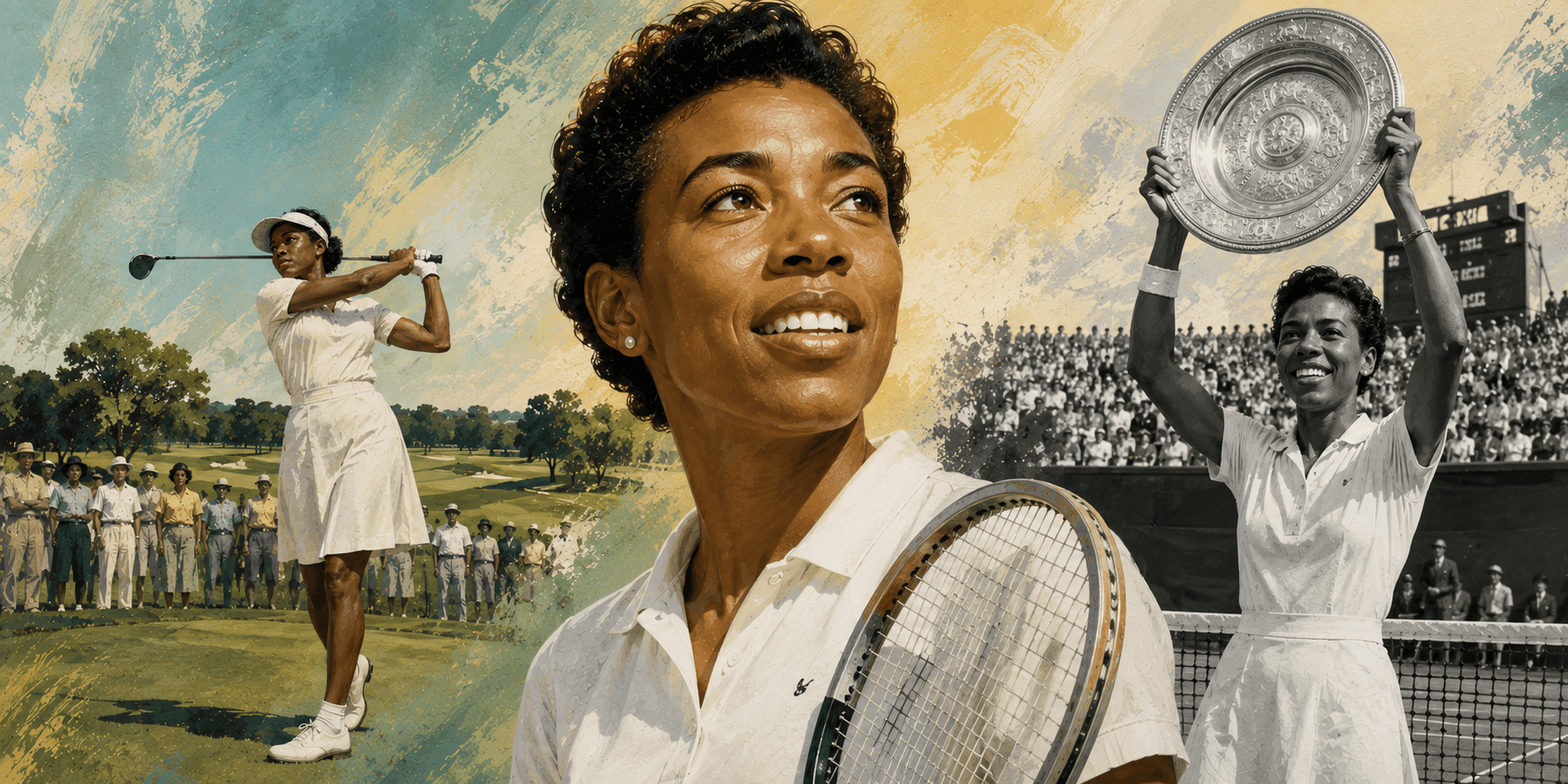
Most people remember Althea Gibson as a tennis legend. Fewer know she also became the first Black woman to compete on the LPGA Tour, breaking another barrier and opening doors for generations of Black women golfers.
Detroit Jazz Festival 2026 Guide
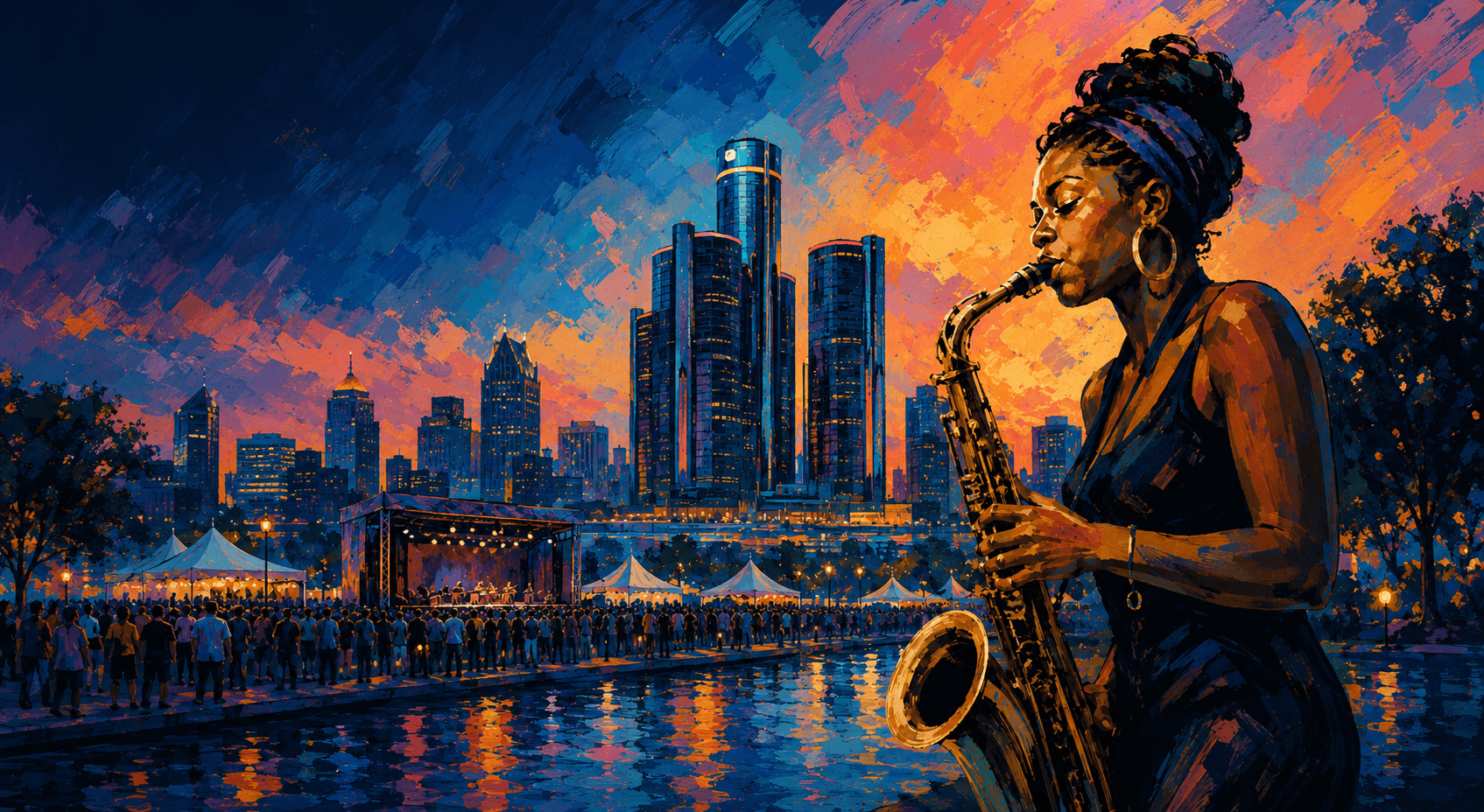
A local guide to navigating the Detroit Labor Day weekend jazz celebration.
Help Us Get It Right
This coverage is a community project.
Spot something outdated? Know a person, business, or organization this story should connect to? A story we should tell next? It goes straight to our editors — privately.