
News + Features
The 1963 March on Washington – A Brilliant Strategy
August 17, 2023 · Updated August 17, 2023·By Dr Russ Wigginton
It’s been 60 years since the march on Washington but the struggle for equity continues. Commemorating history & hand-carved paths towards a fair future ✊?

August 17, 2023 · Updated August 17, 2023
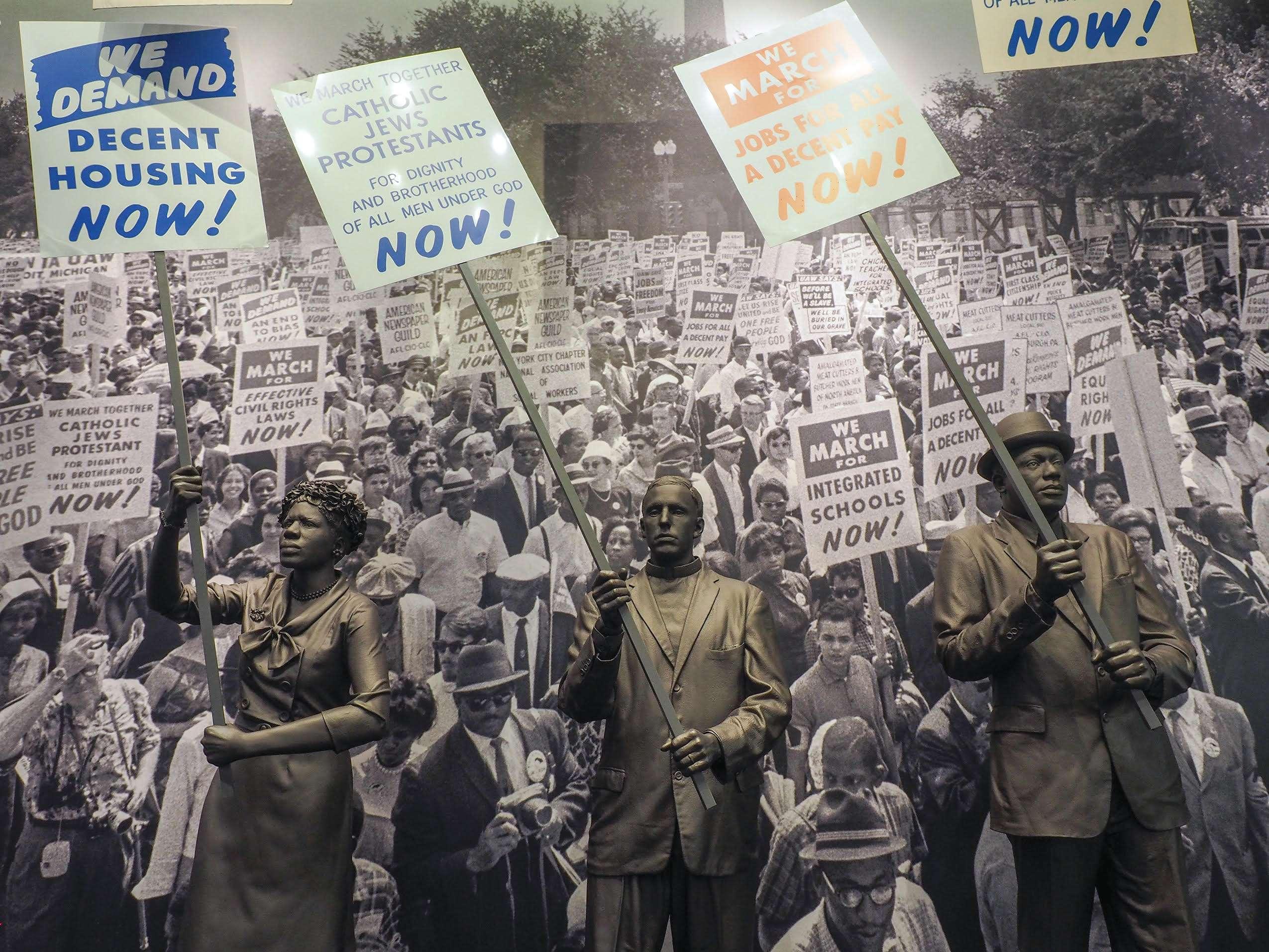
Sixty years ago, one of the “greatest demonstrations for freedom in the history of this country” took place on the Washington, DC Mall, according to Dr. Martin Luther King, Jr. The magnitude of this campaign was not lost on him, even before he was prompted to eloquently transition to his famous speech, “I Have a Dream.” No one expected over 250,000 protestors to show up, but they knew that if they planned to stand up for equality, jobs, and freedom, Washington, DC was the place to be on August 28, 1963.
The March on Washington of 1963 wasn’t the first time a large-scale demonstration in DC was planned by labor leader A. Philip Randolph and master strategist Bayard Rustin. During World War II, the organizers were disillusioned by the hiring in the defense industry and the treatment of Black men valiantly serving in a segregated army, so they threatened a DC demonstration. The 1941 march was called off after President Franklin Roosevelt acquiesced with Executive Order 8802, which outlawed racial discrimination in military employment practices. In 1957 a Prayer for Pilgrimage and Freedom took place on the third anniversary of the passage of the landmark Brown v. Board of Education.
Yet in 1963, one hundred years after the signing of Lincoln’s Emancipation Proclamation, America had not dealt with racist policies that failed to grant Black Americans equal access to jobs, fair pay, voting rights, fair housing, and an end to segregation. This time, the march was epic, banding together the support of Hollywood celebrities and leaders of labor, civic, faith, and human rights organizations in a peaceful protest. At this scale, the event was radical for its time as the media covered the national spectacle only to broadcast the country’s international shame of violent racial terrorism weeks later.

After the March, the passage of the Civil Rights Act of 1964 came about after the tragic deaths of four little girls in a Birmingham church weeks later and months after President Kennedy’s assassination in Dallas. The Voting Rights Act of 1965 would follow the death of Jimmie Lee Jackson, Rev. James Reeb, Viola Liuzzo, and the brutal Bloody Sunday attacks in Alabama. The Fair Housing Act of 1968 would follow the assassination of the Martin Luther King, Jr. in Memphis.
Tragedy after tragedy, America demonstrates it has the resourceful fortitude to exercise political will for the greater good when pressed to do so. As a self-ascribed, exceptional model of democracy, this country must decide if it will lead proactively or reactively when it comes to civil and human rights.
The First Amendment rights to free speech, freedom of the press, and freedom of assembly expressed during the March on Washington are not the only weapons for social change. Today the arsenal is amplified through 24-hour digital and social media, but the toolkit for liberation was assembled centuries ago when the first enslaved humans arrived in this nation. They included revolts, escape, protest, community empowerment, defiance, and resilience. This nation has risen from the ashes of a civil war by rebuilding. It’s time we defy the traditional waves of violence by ensuring all boats rise successfully and equitably.
What if we envisioned stronger communities with access to affordable housing, excellent schools across neighborhoods, exceptional health care not tied to employment, clean water and air despite zip codes, and adequate living wages for all? What if access to the ballot was protected with the same vigor with which it is now suppressed? What if leaders not only addressed these issues during campaigns but, with merit or consequences, were held accountable within the offices they were elected to serve?
In 2023, this country is again at a strategic crossroads. It must reckon with being true “to what [it] said on paper,” as Dr. King exhorted in his last speech, “The Mountaintop.” Let’s be courageous to imagine an America that writes a new story, a greater plan, one that empathetically and authentically celebrates our cultures, identities, and complexities. These diverse characteristics are truly what make this country one of the greatest nations on earth.
Filed under
Every question deserves a better answer than a search result — here's where this story leads.

Why Every Metro Detroit Nonprofit Should Be Thinking About AI
How a local workshop is helping nonprofit leaders turn curiosity into practical action. For many nonprofit leaders, artificial intelligence still feels like something meant for Silicon Valley or Fortune 500 companies. It isn’t. Whether your organization has three employees or three hundred, AI is quickly becoming another tool that can help teams spend less time […]
Althea Gibson’s Second Act
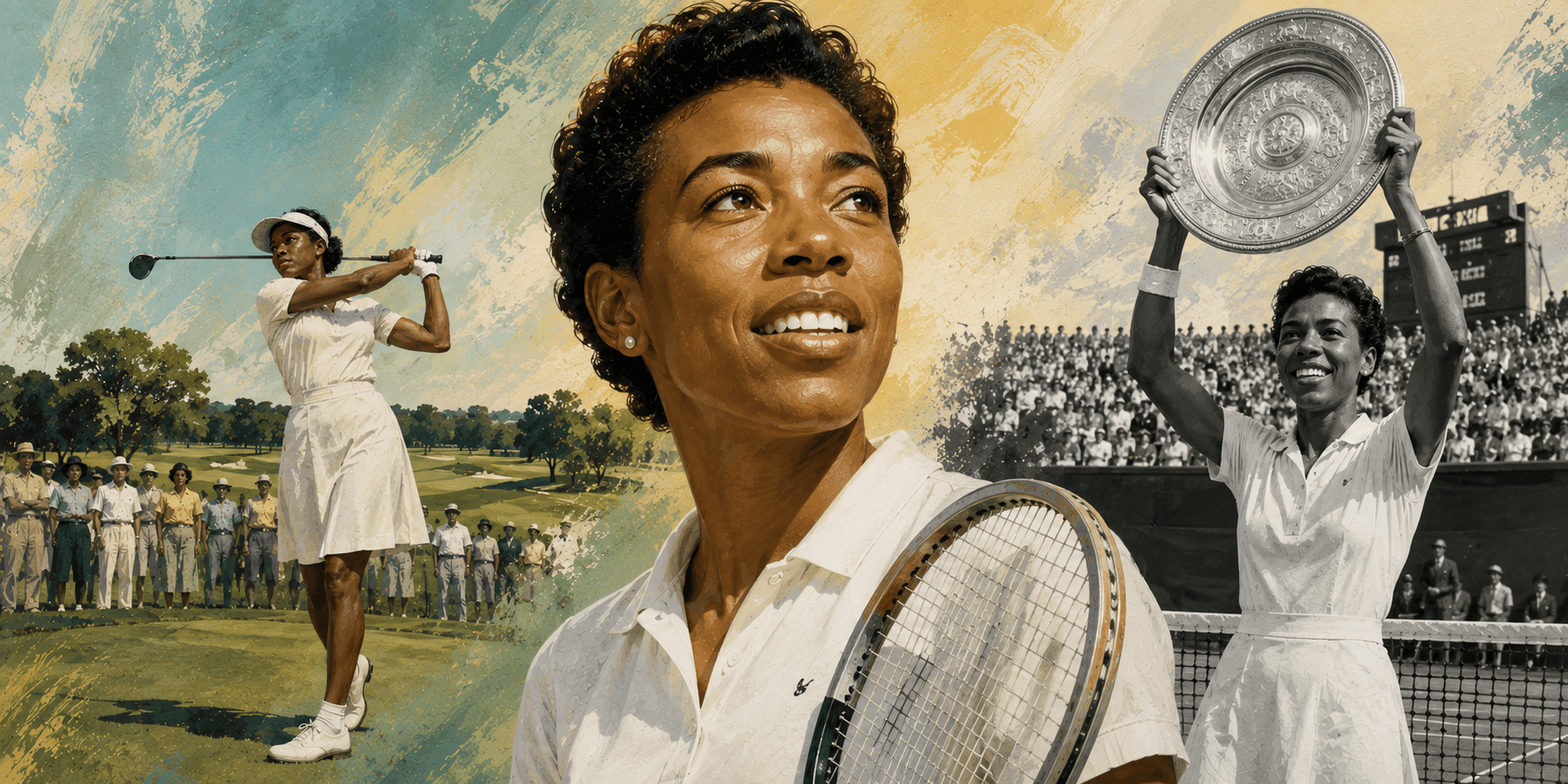
Most people remember Althea Gibson as a tennis legend. Fewer know she also became the first Black woman to compete on the LPGA Tour, breaking another barrier and opening doors for generations of Black women golfers.

Detroit Jazz Festival 2026 Guide
A local guide to navigating the Detroit Labor Day weekend jazz celebration.
Help Us Get It Right
This coverage is a community project.
Spot something outdated? Know a person, business, or organization this story should connect to? A story we should tell next? It goes straight to our editors — privately.