
Health + Beauty
Recovering After a Heart Attack
October 3, 2022 · Updated October 3, 2022·By Darralynn Hutson
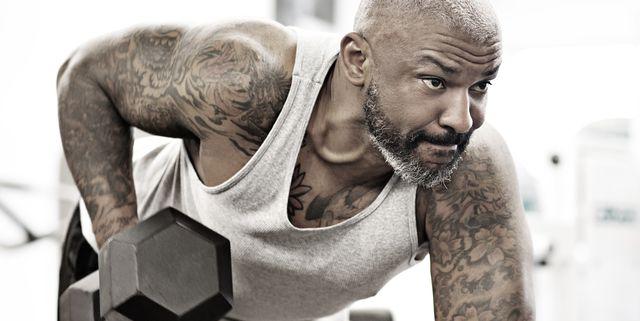
Recovering after a heart attack can be a scary thing but, with a clean, plant-based diet and enough physical activity, you can recover.

October 3, 2022 · Updated October 3, 2022
Getting physically active after a heart attack can be a scary thought. Laying low might seem like you’re safest bet, but with your doctor’s clearance, getting active and eating clean could be the best thing you can do for to restore your health. Recovering from a heart attack is a long process, requiring you to make big changes in your life. You may need to change how you eat, begin a new exercise program, take new medications, and visit your health care provider more regularly. However, changes can help to lower your risk of having another heart attack, reduce your risk of death from heart disease, and often increase your ability to live vivaciously.
This article will review the steps involved in recovering from a heart attack.
Statistics Are Clear

- In 2018, African Americans were 30 percent were found to be more likely to die from heart disease than non-Hispanic whites.
- Although African American adults are 40 percent more likely to have high blood pressure, they are less likely than non-Hispanic whites to have their blood pressure under control.
- African American women are nearly 60 percent more likely to have high blood pressure, as compared to non-Hispanic white women.
Rehabilitation

That’s where cardiac rehabilitation comes in. It’s a medically supervised program that helps heart patients get back to their daily lives and improve their overall health. Cardiac rehab helps people who have had a heart attack, heart surgery, a heart or lung transplant or other cardiac event or condition. It aims to improve patients’ overall risk of heart-related problems in the future, decrease their pain and improve their overall health through exercise and education.
At the Detroit Medical Center, well-established cardiac rehab programs at Huron Valley Sinai Hospital in Commerce and Sinai Grace Hospital in Detroit have been helping people recover for years. Now the DMC is offering the program at its main campus in Detroit as part of the Rehabilitation Institute of Michigan, conveniently located next to the new DMC Heart Hospital.
“We’re that next step for someone after their procedure,” says Craig DeLeon, Corporate Director of Health, Fitness, and Wellness at the Detroit Medical Center. “Patients are very tentative about doing anything after a cardiac event. That’s where that education piece comes in.”
Heart disease is the No. 1 killer in America, DeLeon says, and an increasing cause of death for women.
“It’s a very prevalent disease that we have-not just in America but specifically in the Detroit area,” DeLeon says, pointing out the importance of cardiac rehab programs. “It’s a solution to that problem.”
Three Phrase Program

The first phase of DMC’s cardiac rehab program is completed in the inpatient setting and includes monitored exercise, nutritional counseling, emotional support and education about heart-healthy lifestyle changes. Personalized performance measures must be met before discharge.
“It may be something like they need to be able to take 50 consecutive steps without shortness of breath and without pain in their chest,” he says.
The second phase takes place at home, where patients work on an exercise plan and are monitored to see how exercise affects their heart.
“The patient is hooked up to a telemetry device, which sends information back and our exercise specialists can view their heart rhythms while they’re doing certain exercises,” DeLeon explains.
The third phase is a maintenance program for heart patients that focuses on reinforcing positive heart-healthy habits, and phase four is a patient’s general exercise program that can be completed at home or at the gym independently.
“With each phase there’s less medical guidance and intervention and there’s more freedom that the patient has,” he says. “The goal in phase three and four is to put to use what you’ve learned in phase one and two.”
The benefits of cardiac rehabilitation go beyond the physical aspect, DeLeon says. The program also addresses things like overcoming the fear of getting active, quitting smoking, changing eating habits or making exercise part of your daily routine.
“It’s not just that they come in and walk on a treadmill or ride a bike. There’s a lot of education that goes into it,” he says. The focus is long-term recovery-something that the Rehabilitation Institute of Michigan has always emphasized.
“We’ve made a name for ourselves in the rehab business. We’re very accustomed to working with people and their recovery after their injury long-term, setting them up for long-term success.”
To learn more about DMC’s cardiac rehabilitation program, visit RIMRehab.org.
Consult A Health Professional
First and foremost, talk with your doctor about any restrictions on your exercise. “Absolutely the most important thing is to have that discussion with your physician to ensure that you are cleared for physical activity,” DeLeon says.
Start Moving
For many people, the easiest way to start getting more active is by simply walking bike riding. “The great thing about walking is it’s free. and gets your outside,” DeLeon says. “You just need a comfortable pair of shoes and somewhere safe.”
Increase your activity slowly
Work up slowly to the goal of 20 to 30 minutes of physical activity at least three times a week. That might include short periods of activity multiple times a day. Go at your own pace.
Do active things you enjoy
You’re more likely to follow through on your activity goals if it’s something you enjoy, like swimming, dancing, creating tik toks with your kids, gardening or cheering at a high school football game.
Eat to Heal Your Heart and Your Gut
Our bodies are amazing and perfectly able to heal themselves with the right diet of plant-based meals, seasonings, spices, juices, veggies and fruits. Cut out processed and refined foods that clog your arteries and drink lots of water.
Filed under
Every question deserves a better answer than a search result — here's where this story leads.

Why Every Metro Detroit Nonprofit Should Be Thinking About AI
How a local workshop is helping nonprofit leaders turn curiosity into practical action. For many nonprofit leaders, artificial intelligence still feels like something meant for Silicon Valley or Fortune 500 companies. It isn’t. Whether your organization has three employees or three hundred, AI is quickly becoming another tool that can help teams spend less time […]
Althea Gibson’s Second Act
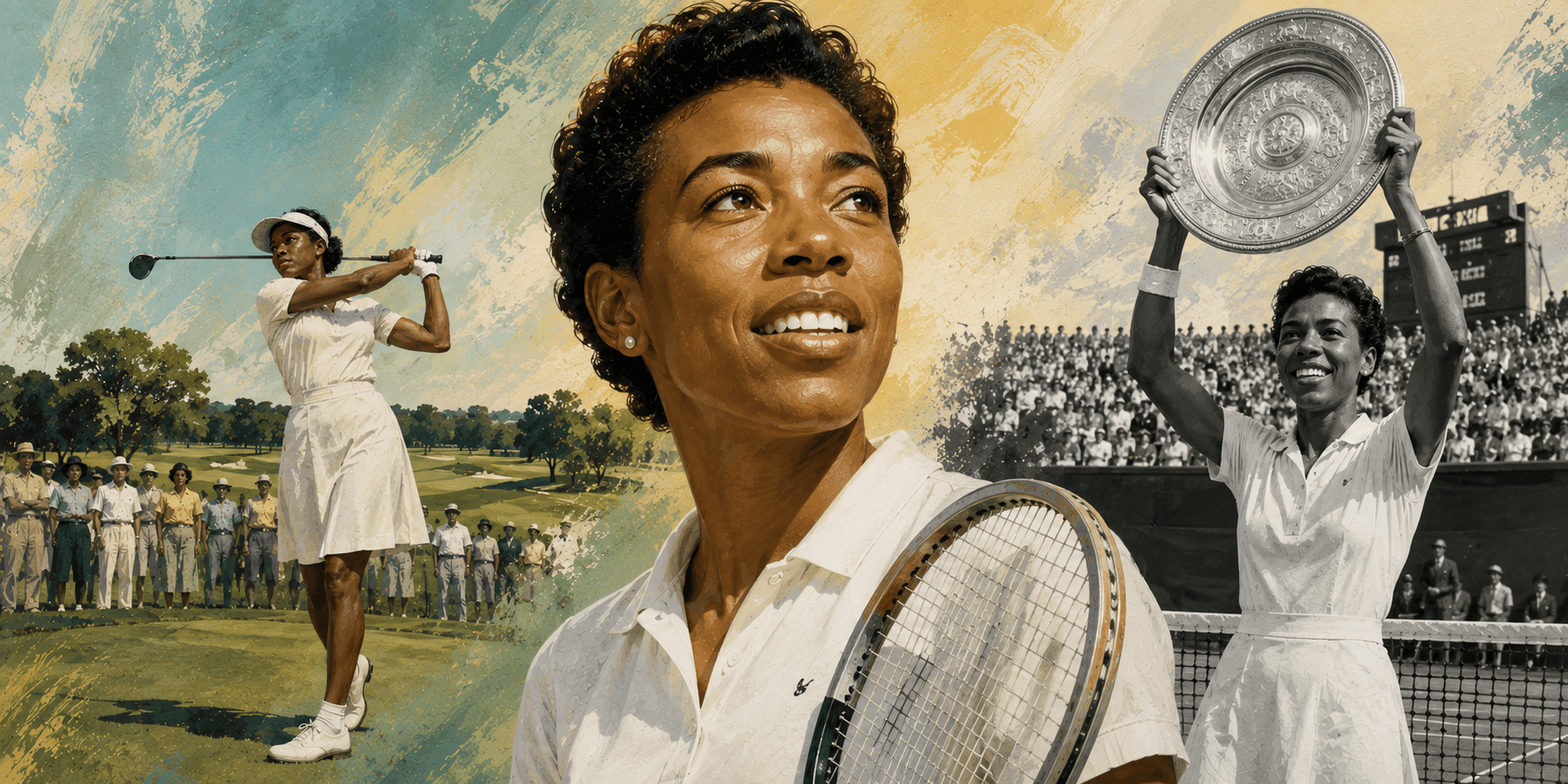
Most people remember Althea Gibson as a tennis legend. Fewer know she also became the first Black woman to compete on the LPGA Tour, breaking another barrier and opening doors for generations of Black women golfers.

Detroit Jazz Festival 2026 Guide
A local guide to navigating the Detroit Labor Day weekend jazz celebration.
Help Us Get It Right
This coverage is a community project.
Spot something outdated? Know a person, business, or organization this story should connect to? A story we should tell next? It goes straight to our editors — privately.