

Health + Beauty
Rates of Suicide Continue To Increase Amongst Black Youth Prompting The Question: How Can We Do Better For Them?
December 11, 2021 · Updated December 15, 2021·By Nadira Jamerson
Colder days and fewer daylight hours characterize the coming months, which has lead many healthcare professionals to caution people against ignoring feelings of depression and despondency that can increase du

December 11, 2021 · Updated December 15, 2021
Colder days and fewer daylight hours characterize the coming months, which has lead many healthcare professionals to caution people against ignoring feelings of depression and despondency that can increase during the winter months. This warning is even more important for caretakers and families raising Black children.
According to several studies on suicide rates amongst Black youth, Black children have struggled and are severely struggling with their mental health. Suicide is the second leading cause of death among adolescents, but over the past decade suicide rates have decreased overall, yet they have continued to increase for Black people and children. In 2019, the U.S. Centers for Disease Control and Prevention reported a decrease in the national suicide rate from 14.2 per 100,000 individuals in 2018 to 13.9 per 100,000 individuals the following year. Contrastingly, The CDC reported a 30% increase in suicides for Black individuals from 5.4 per 100,000 individuals in 2018 to 7.4 per 100,000 individuals in 2019. Similarly, the Journal of the American Academy of Children and Adolescent Psychiatry fund that just over 1,8000 Black children died by suicide between 2003-2017, with most of these deaths being among Black boys aged 15-17. The journal also reported an increase in suicide for Black girls aged 12-14, highlighting a 6.6% increase each year in the number of deaths from suicide between 2003-2017.
Increased suicide rates among Black children have been linked to the harmful treatment of Black children by dominant society in the U.S. Pressures and trauma from racism, which most Black children are unfortunately exposed to at young ages, can exacerbate feelings of isolation, depression and anxiety, which can lead to more suicide attempts. In a recent interview with the NY Times, LaVome Robinson, a clinical psychologist and professor of psychology at DePaul University who studies suicidality in Black adolescents, described this link between increased suicide and racism by saying, “The experiences of African American children are like none other in the Unites States. We live in a society that marginalizes us—more so probably than any other group—and has historically for years.”
Mirroring Robinson’s sentiments, Kate Keenan, a clinical psychologist at the University of Chicago, said, “If experiences with racism and discrimination are increasing at a faster rate than we are increasing protective factors, then that might be related to the reported increase in suicidality among Black youth.”
If, as statistics show, Black children are amongst those being most burdened by mental health issues in our society, then why are they continuously left out of critical conversations concerning mental health support and treatment? In general, this is due to the mental healthcare disparities in the U.S. healthcare system. Mental healthcare disparities are defined as unfair differences in access to or quality of care according to race and ethnicity. Racism in policy surrounding
Healthcare and the racial bias of healthcare professionals is stopping Black children from receiving supportive care for their mental health concerns. According to “Mental Health, Culture, Race, and Ethnicity,” published by the U.S. Department of Health and Human Services in 2001, racial and ethnic minorities have less access to mental health services than whites, and they are less likely to seek treatment for mental health concerns. They looked at two years in history, 1990 and 2003, and found that Blacks were only 50% as likely to receive psychiatric treatment as whites for diseases of similar severity in both years. They also found that among adults with diagnosis-based need for mental health or substance-abuse care, 37.6% of whites received treatment, as opposed to only 25% of Blacks. Black people are being denied quality care for their mental health concerns, and it is costing the lives of precious Black children. In the face of these horrific statistics, it can seem daunting to begin to seek solutions to this pertinent issue, but there are solutions. Most importantly, it is crucial that families and caretakers listen to the needs of their Black children when they express concerns for their mental health. It can be easy to dismiss displays of depression and anxiety as fleeting teenaged whims, but parents’ willingness to take their children’s mental health seriously can save lives. As the holidays approach and there is more time to spend together in the home, parents should make time to check in with their children to specifically learn how their children are doing emotionally. If further support and treatment is found to be needed, The National Alliance on Mental Illness (nami.org) offers information on reduced-priced and free mental health services by calling the National Treatment Referral Helpline at 800-662-HELP (4357). Additionally, includivetherapists.com can be used to connect with therapists focused on the needs of marginalized populations including people of color, the LGBTQ community, and people with disabilities.
Filed under
Every question deserves a better answer than a search result — here's where this story leads.

Why Every Metro Detroit Nonprofit Should Be Thinking About AI
How a local workshop is helping nonprofit leaders turn curiosity into practical action. For many nonprofit leaders, artificial intelligence still feels like something meant for Silicon Valley or Fortune 500 companies. It isn’t. Whether your organization has three employees or three hundred, AI is quickly becoming another tool that can help teams spend less time […]
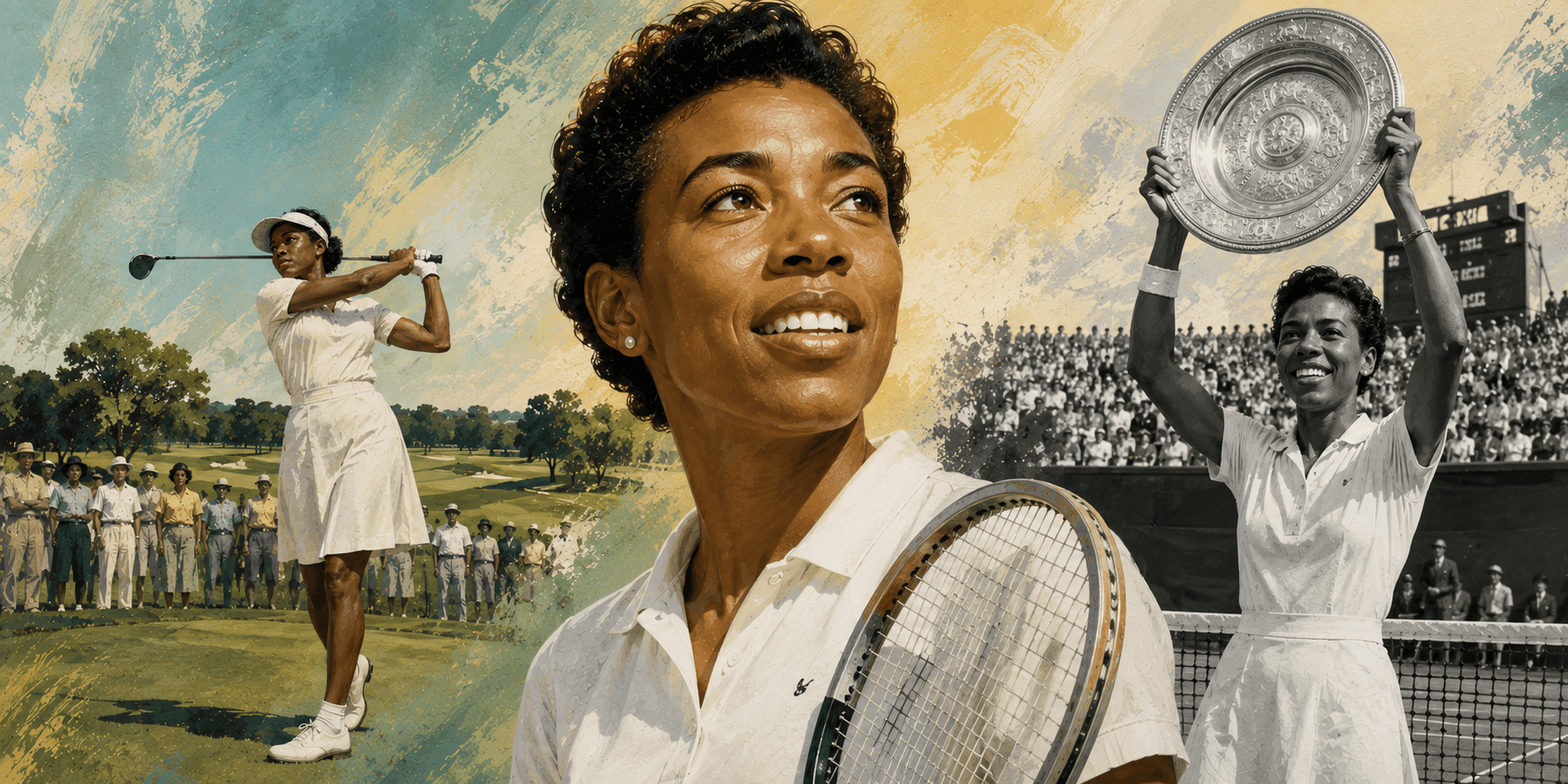
Althea Gibson’s Second Act
Most people remember Althea Gibson as a tennis legend. Fewer know she also became the first Black woman to compete on the LPGA Tour, breaking another barrier and opening doors for generations of Black women golfers.

Detroit Jazz Festival 2026 Guide
A local guide to navigating the Detroit Labor Day weekend jazz celebration.
Help Us Get It Right
This coverage is a community project.
Spot something outdated? Know a person, business, or organization this story should connect to? A story we should tell next? It goes straight to our editors — privately.