Art + Culture
New museum celebrates WGPR, America’s first black TV station
January 6, 2017·By BLAC Editorial
Reminisce on ‘The Scene’ and other classic Detroit TV programming
January 6, 2017
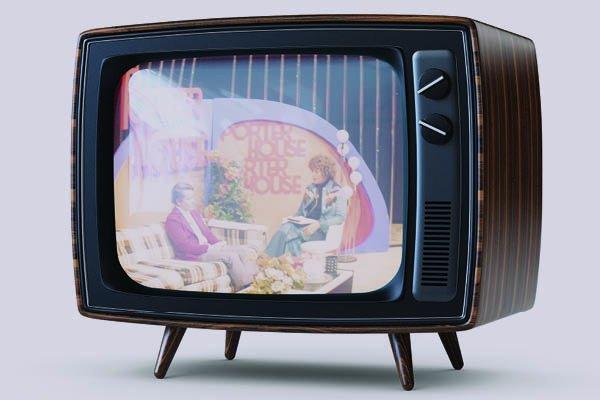
efore BET, OWN and TV One, there was WGPR. William Banks, a local attorney and real estate baron, had a vision to market programming to black Detroiters – but also have black Detroiters as the creators. So in 1975, Banks opened a television studio on East Jefferson Avenue with the same call letters of a radio station he’d acquired just over a decade earlier. WGPR the radio station was the first black-owned FM station in Michigan. But WGPR-TV became the first independently black-owned TV station in the country period.
WGPR was wholly for us, by us until 1995 when it became a CBS affiliate, but a new historical society was founded in recent years to bring attention to the station’s one-time prominence. After months of operating in temporary exhibits, the William V. Banks Broadcast Museum, operated by the WGPR-TV 62 Historical Society, opens on Martin Luther King Day.
“People will be walking through the studios of where this history took place,” Karen Hudson Samuels, executive director of the historical society and longtime WGPR employee, tells BLAC.
Most Detroiters recall WGPR’s slate of dance and music shows – The Scene, Contempo and The New Dance Show, the former of which debuted a few years after Soul Train was picking up steam nationally. There’s memorabilia and video from those shows, but the museum also calls attention to other milestones. The country’s first all-black newscast, co-anchored by broadcast now-legend Amyre Makupson, aired on WGPR. Strictly Speaking, a local talk show, launched the career of Access Hollywood personality Shaun Robinson.
WGPR was more than black programming; lost in our collective memory is its significance of airing Detroit’s first Arabic-language programming and Polish dance shows alongside The Scene. (“It reflected the ethnic community of Detroit,” Hudson Samuels says.) WGPR also was a pioneer in home shopping; viewers could phone a number to purchase products advertised during movie showings.
All that – plus the station’s significance as a steppingstone for black journalists, producers, camera operators and other broadcast employees – will be on display. The museum will be open once a week at the East Jefferson studio (which earned a Michigan Historical Marker last year), but Hudson Samuels is looking to expand to additional days. “Cultural institutions are the things people look to for the preservation of history,” she says.
Grand opening, William V. Banks Broadcast Museum, 11 a.m., Jan. 16, 3146 E. Jefferson Ave., Detroit. Free admission. fb.com/Telling-Our-Story-143405645828708
Every question deserves a better answer than a search result — here's where this story leads.
Why Every Metro Detroit Nonprofit Should Be Thinking About AI
How a local workshop is helping nonprofit leaders turn curiosity into practical action. For many nonprofit leaders, artificial intelligence still feels like something meant for Silicon Valley or Fortune 500 companies. It isn’t. Whether your organization has three employees or three hundred, AI is quickly becoming another tool that can help teams spend less time […]

Althea Gibson’s Second Act
Most people remember Althea Gibson as a tennis legend. Fewer know she also became the first Black woman to compete on the LPGA Tour, breaking another barrier and opening doors for generations of Black women golfers.
Detroit Jazz Festival 2026 Guide
A local guide to navigating the Detroit Labor Day weekend jazz celebration.
Help Us Get It Right
This coverage is a community project.
Spot something outdated? Know a person, business, or organization this story should connect to? A story we should tell next? It goes straight to our editors — privately.