

News + Features
Michigan Goes to War: A Look Back at the 102nd United States Colored Troops (USCT)
March 3, 2023 · Updated March 3, 2023·By BLAC Staff
Originally known as 1st Michigan Colored Infantry, the 102nd United States Colored Troopssuffered through hunger, sickness, and discrimination in an effort to secure freedom and equality for all people. We honor these br

March 3, 2023 · Updated March 3, 2023
During the Civil War, the 102nd United States Colored Troops (USCT) operated as an African American infantry unit of the Union Army.
The regiment was made up entirely of volunteers from Michigan and Canada. 845 Michigan men volunteered, and more than 100 of them were from Cass County. In addition to the infantry, the regiment had additional artillery and cavalry units.
The regiment was organized as the 1st Michigan Colored Volunteer Infantry Regiment in Detroit on February 29, 1864. When it was officially mustered into service in March of 1864, it had been redesignated as the 102nd United States Colored Troops.

Colonel Charles S. Clark
Colonel Charles S. Clark, a white officer who had previously served in the Michigan Infantry, was appointed regiment commander. Clark was an experienced leader who had fought in several major battles, including the Battle of Gettysburg. He was initially skeptical about the abilities of Black soldiers, but he soon came to recognize them as the assets they were.
Colonel Clark’s leadership was instrumental in the success of the 102nd USCT. His willingness to recognize Black soldiers’ value and fight for their rights and dignity helped build a sense of unity and purpose among his troops. This example also helped to pave the way for greater integration and diversity in the United States military.
Many of the soldiers in the 102nd USCT were former slaves, laborers, and servants. Some of them had even escaped slavery through the Underground Railroad, and 72 were living as free men in Canada. They showed immense courage crossing back into the U.S. to fight.
Serving the country
Despite their lack of military service or experience, the soldiers of the 102nd USCT quickly adapted to military life and proved themselves to be skilled and effective soldiers.
Throughout its service in South Carolina, Georgia, and Florida, the 102nd USCT showed bravery and skill in ten different engagements — notably in Baldwin, Florida, where the soldiers quickly defeated a Confederate cavalry unit. This quick defeat proved the high skill level and reliability of the 102nd USCT officers.
Until November 1864, the regiment engaged Confederate forces in battles at:
- Honey Hill
- Tillifany
- Deveaux Neck
- Gorhamsville

At Gorhamsville, the regiment repulsed an enemy charge and counterattacked, earning commendations from their officers.
Afterward, the regiment continued to serve in South Carolina and reunited at Pocatalligo in February 1865. They launched several expeditions into Confederate territory, destroying railroads and defenses built by Confederate troops. Later, the regiment built their own defenses in Charleston before they were sent to Savannah, Georgia. In Savannah, the 102nd USCT divided into two wings and carried out several raids.
First Lieutenant Charles L. Barrell received the nation’s highest award for bravery in combat, The Medal of Honor, for his “hazardous service in marching through the enemy’s country to bring relief to his command.” This occurred during the 102ns USCT’s action near Camden, South Carolina, in 1865.

Overcoming discrimination
Despite facing discrimination, including lower pay than white soldiers, inferior equipment and supplies, diseases, and poor living conditions, the soldiers of the 102nd USCT were determined to fight for their country. Their service and sacrifice helped showcase the ability and commitment of African Americans to the Union’s fight. Many soldiers of the 102nd USCT fell ill with diseases like dysentery and malaria, and some died as a result.
After their service to their country, the regiment disbanded on October 17, 1865, upon their return to Detroit. However, their legacy is a testament to the courage and bravery of the African American soldiers who served in the Union Army during the Civil War. Several historical markers, monuments, and other memorials are dedicated to the soldiers of the 102nd USCT and their bravery, determination, and commitment to freedom and equality.

More than 150 members of the regiment didn’t return. Most of them succumbed to disease. About a dozen were killed or declared “missing in action” or later died of their combat wounds. One man drowned, and two were shot while “running their guards.”
Most of the injuries happened at Deveaux Neck in South Carolina. Eighteen members of the 102nd USCT are buried in the Michigan Civil War lot in Section S.
Letters were later discovered from 102nd USCT Private John Lovejoy Murray to his wife and children from when he fought in the Civil War. These letters were vivid and evocative descriptions of the experiences of Black soldiers during the Civil War.
Legacy
The men of the 102nd United States Colored Troop were a vital part of the Union Army during the Civil War. They suffered through hunger, sickness, and discrimination in an effort to secure freedom and equality for all people.
These men served with distinction, but often went unrecognized for their service in the Civil War. In the midst of a war, where equality was not formally accepted, Black men fought for their country. We honor these brave men, who are often overlooked in history books.
Additional Resources
- https://www.102ndusctcob.org/
- https://www.facebook.com/102ndusct
- https://detroithistorical.org/learn/encyclopedia-of-detroit/first-michigan-colored-regiment
- https://southadamstreet1900.wordpress.com/roll-of-honor-102nd/
Filed under
Every question deserves a better answer than a search result — here's where this story leads.

Why Every Metro Detroit Nonprofit Should Be Thinking About AI
How a local workshop is helping nonprofit leaders turn curiosity into practical action. For many nonprofit leaders, artificial intelligence still feels like something meant for Silicon Valley or Fortune 500 companies. It isn’t. Whether your organization has three employees or three hundred, AI is quickly becoming another tool that can help teams spend less time […]
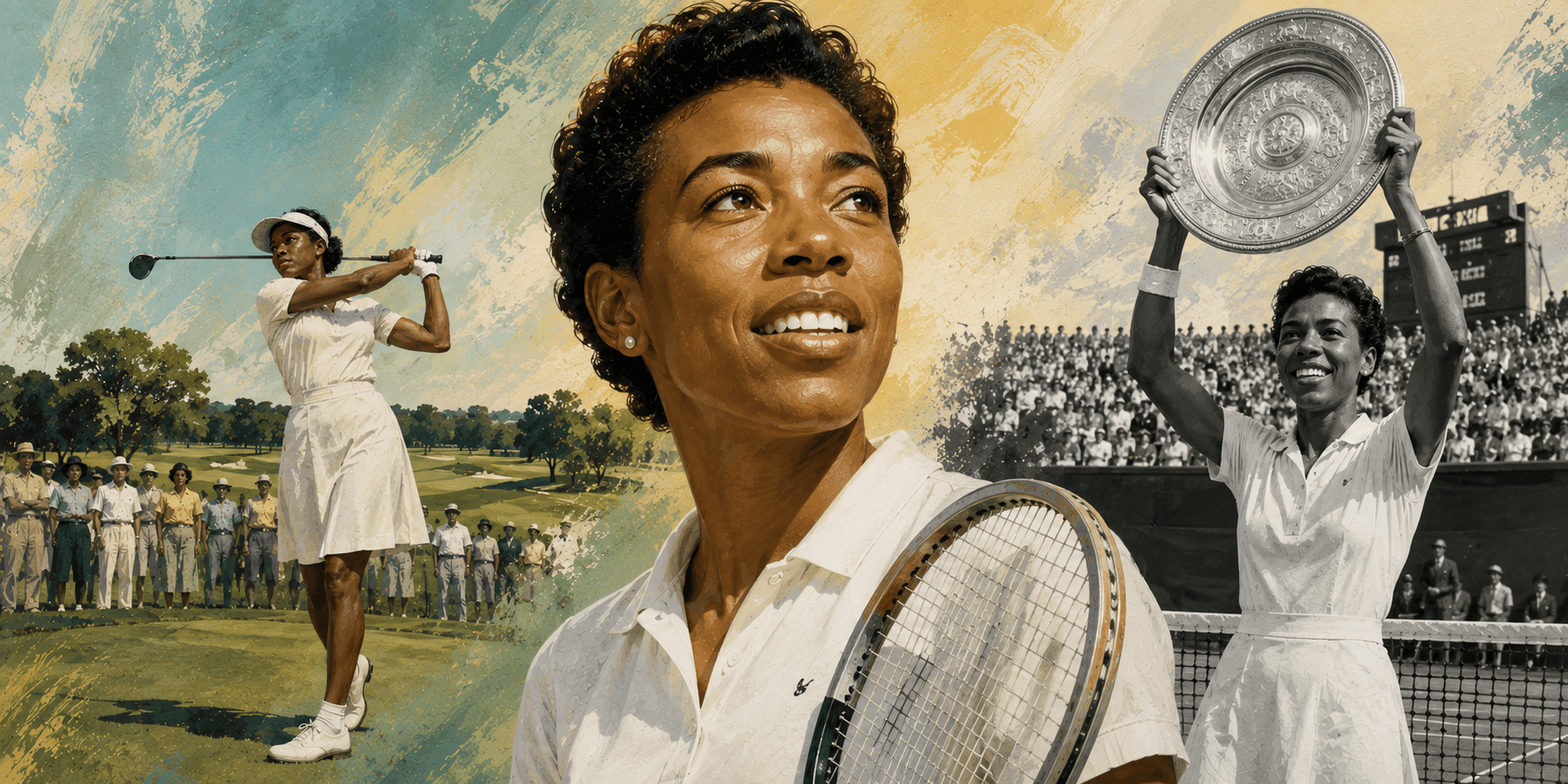
Althea Gibson’s Second Act
Most people remember Althea Gibson as a tennis legend. Fewer know she also became the first Black woman to compete on the LPGA Tour, breaking another barrier and opening doors for generations of Black women golfers.

Detroit Jazz Festival 2026 Guide
A local guide to navigating the Detroit Labor Day weekend jazz celebration.
Help Us Get It Right
This coverage is a community project.
Spot something outdated? Know a person, business, or organization this story should connect to? A story we should tell next? It goes straight to our editors — privately.