
Art + Culture
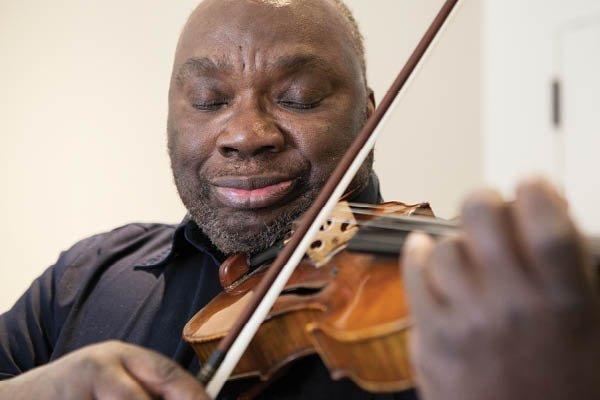
Joseph Striplin: the Detroit Symphony Orchestra’s first Black musician
May 6, 2016·By BLAC Editorial
From labor disputes to affirmative action, Joseph Striplin has been with the orchestra through it all
May 6, 2016
iolinist Joseph Striplin auditioned for the Detroit Symphony Orchestra three times. After stints in various orchestras across the country, Striplin finally got the opportunity to perform with his hometown orchestra in 1972, at which point he became the DSO’s first Black member.
Striplin began playing the violin in junior high, but he credits the students and teachers at Cass Technical High School and Wayne State University with developing his love and talent for music and the violin.
“I was so inspired by the level of playing and by the band and the orchestra courses,” Striplin says. “I just fell in love with music. That changed my life.”
Growing up in a single-parent home on Detroit’s east side, Striplin says his mom was very supportive of his dream to pursue classical music as a career. But his passion for classical music wasn’t one that was widely received by others, especially in the ’60s and ’70s.
“Then, there was this belief that we as Blacks were more interested in finding our own cultural roots, ‘Black is beautiful,’ embracing ourselves-and with that came the idea that there were certain fields we shouldn’t be interested in at all, because they weren’t traditionally Black. I always thought that was self-defeating.”
Diversity issues brought the DSO into the national spotlight in 1989 after Michigan legislators withheld almost $1.3 million of funding from the orchestra until it hired another Black musician.
“This caused quite a bit of a stir in the whole community-Black and White. It was a new experience for me,” Striplin says. “I was in an awkward position because I knew that the orchestra was not discriminating against Blacks. There just weren’t a lot of well-trained Black classical musicians at that time because it wasn’t something that many people aspire to.”
Striplin hung on with DSO during a well-publicized strike during 2010-11, a time Striplin says was pivotal for the orchestra’s reputation. Today, a new agreement calls for the musicians to perform eight “services” a week, which is a combination of rehearsals and concerts that varies from week to week. Stiplin says over the years, the orchestra has shifted focus less on classical music subscription shows and more on incorporating different styles of music.
At 73, Striplin has the kinds of things at the top of mind many people his age do: maintaining his health and, one day, retirement. But with whatever is in store for Striplin, he says music will always play a major role.
“Playing violin, or any instrument, is really a never-ending process of trying to get better. It’s a process,” Striplin says. “You’re a student of music all your life.”
Every question deserves a better answer than a search result — here's where this story leads.

Why Every Metro Detroit Nonprofit Should Be Thinking About AI
How a local workshop is helping nonprofit leaders turn curiosity into practical action. For many nonprofit leaders, artificial intelligence still feels like something meant for Silicon Valley or Fortune 500 companies. It isn’t. Whether your organization has three employees or three hundred, AI is quickly becoming another tool that can help teams spend less time […]
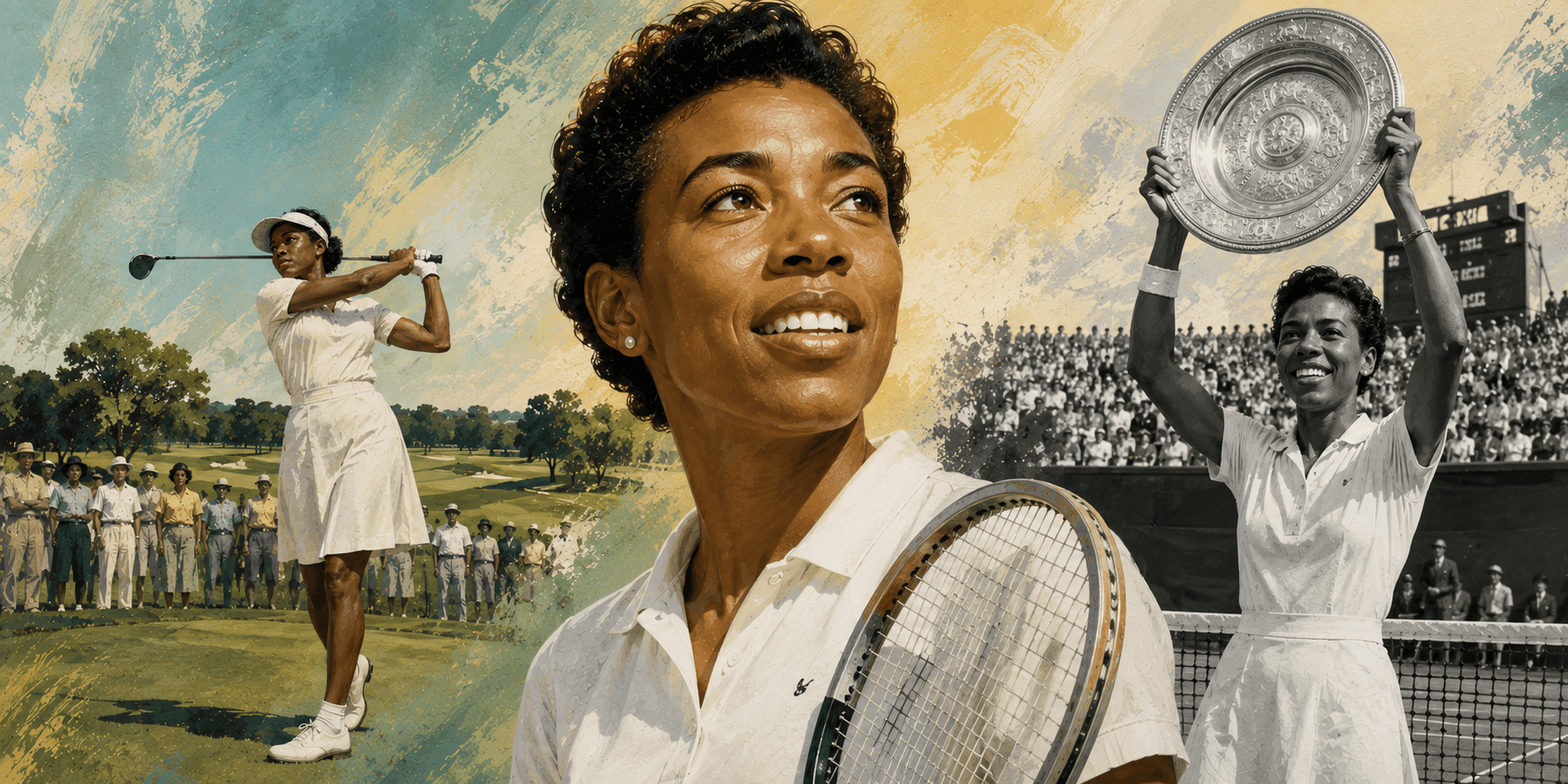
Althea Gibson’s Second Act
Most people remember Althea Gibson as a tennis legend. Fewer know she also became the first Black woman to compete on the LPGA Tour, breaking another barrier and opening doors for generations of Black women golfers.

Detroit Jazz Festival 2026 Guide
A local guide to navigating the Detroit Labor Day weekend jazz celebration.
Help Us Get It Right
This coverage is a community project.
Spot something outdated? Know a person, business, or organization this story should connect to? A story we should tell next? It goes straight to our editors — privately.