
Food + Drink
Garden of the Soul
June 11, 2021 · Updated June 11, 2021·By Antoine Marshall
The Motor City has always been known for music, style, and a strong resilience that cannot be matched. Lately, however, Detroit has become known for something else; something that can help improve the lives of many

June 11, 2021 · Updated June 11, 2021
The Motor City has always been known for music, style, and a strong resilience that cannot be matched. Lately, however, Detroit has become known for something else; something that can help improve the lives of many of the residents.
“When I began creating gardens, it was an education factor. I learn that I can grow watermelon and many other items in the city of Detroit. I wanted to share this knowledge with everyone.”
Eric Andrews executive director and co-founder of Peace Tree Parks.
Ten years ago, a rise in urban agriculture spread throughout the city. “Since Detroit has the most vacant land in the country, making use of that vacant land makes the residents feel good about themselves,” stated Eric Andrews, Executive Director and Co-Founder of Peace Tree Parks.
And with so many vacant lots found in Detroit, residents quickly realized that they could establish and maintain an urban garden right next door. In fact, there are now a total of 1,400 urban gardens and farms located within the city of Detroit. There are known as “agrihoods”—a short moniker for agricultural neighborhoods.
These urban gardens (or “agrihoods”) not only provide fresh fruit and vegetables to residents of areas know by the USDA to be food deserts, but also provide for a unique educational opportunity for young and old alike. According to Andrews, “When I began creating gardens, there was an education factor. I learned that I could grow watermelon and many other fruits and vegetables in the city of Detroit. I wanted to share this knowledge with everyone,” he said.
As vegetables and fruit are grown and distributed, we have seen a revelation, one where both the body and the soul are fed. “We donate up to 300 pounds of produce each year. By completing the mission of making fresh produce accessible, we have also gotten residents to live healthy lifestyles, as well take gardening on themselves,” stated Andrews.
You can visit many of these gardens on your next trip downtown, with plenty to choose from. Locations include: Keep Growing Detroit at 76 E Forest Ave; The Michigan Urban Farming Initiative at 7432 Brush St. Detroit; Spirit of Hope Farm at 1519 Martin Luther King Jr. Blvd.; Earthworks Urban Famers at 1264 Meldrum; and, Lafayette Greens at 132 W Lafayette Blvd.

Feeding Detroit Soul
They say food is medicine, yet just like prescription medicine access to healthy food in minority communities is often non-existent. It is no secret that there is a lack of healthy options when it comes to nutritious food choices. Many areas of Detroit are referred to as “food deserts” by USDA qualification. In fact, besides Whole Foods and the Eastern Market, healthy places to purchase fruits and vegetables are few and far between. Food security, and lack of access to healthy, nutritious food is a real problem within many urban communities, including Detroit.
Two things: “Beautification of Detroit. Detroit has the most vacant land in the country. Making use of that vacant land, makes the residents feel good about themselves.”
ERIC ANDREWS
Having more “agrihoods” would provide access to this healthy eating. There are too many fast-food restaurants and liquor stores, located on every street corner, promoting an unhealthy diet that can increase the risk of certain cancers and other long-term illnesses. “I have seen up close with my parents who had some illnesses, looking like they were going to checkout. With easy access to healthy organic produce nearby, I watched them become healed from those illnesses,” stated Andrews.
Interested in growing your own garden, but unsure of where to start? Simply research availability of empty lots in your neighborhood for purchase. The cost of lots starts often from $2,500 to $15,000 for a 0.03ac to 0.1ac. Next, soil and seeds can be purchased at any hardware store, such as Home Depot, Lowes, or Menards. Finally, as you begin to plan and plant your garden allow yourself to become creative. By tending to and improving on your garden, which requires the observation and experimenting skills of a scientist, you will discover what grows best and how to capture a large yield each year.
Benefits for the Soul
As you develop your garden, you will develop patience and hope. Working in your community garden will help increase physical exercise. Fresh air in your lungs, sunlight on your face, and your hands in the soil will allow you to become one with nature. Vitamin D is vital for the human body and working in a garden with the sunlight beaming down will help you receive all that you need.
Most importantly, having an urban garden will help improve the environment and the health of the community. Consuming flavorful and nutritious fresh fruit and vegetables straight from the community garden will not only bring you joy, but you are also healing the community from the inside out. Developing more community “agrihoods” will bring youth throughout the neighborhood together, offering them educational opportunities as well as a bountiful harvest, where there is plenty to go around. The soul of the community now has a nourishing connection with both the earth and nature…it truly is a Garden of the Soul.
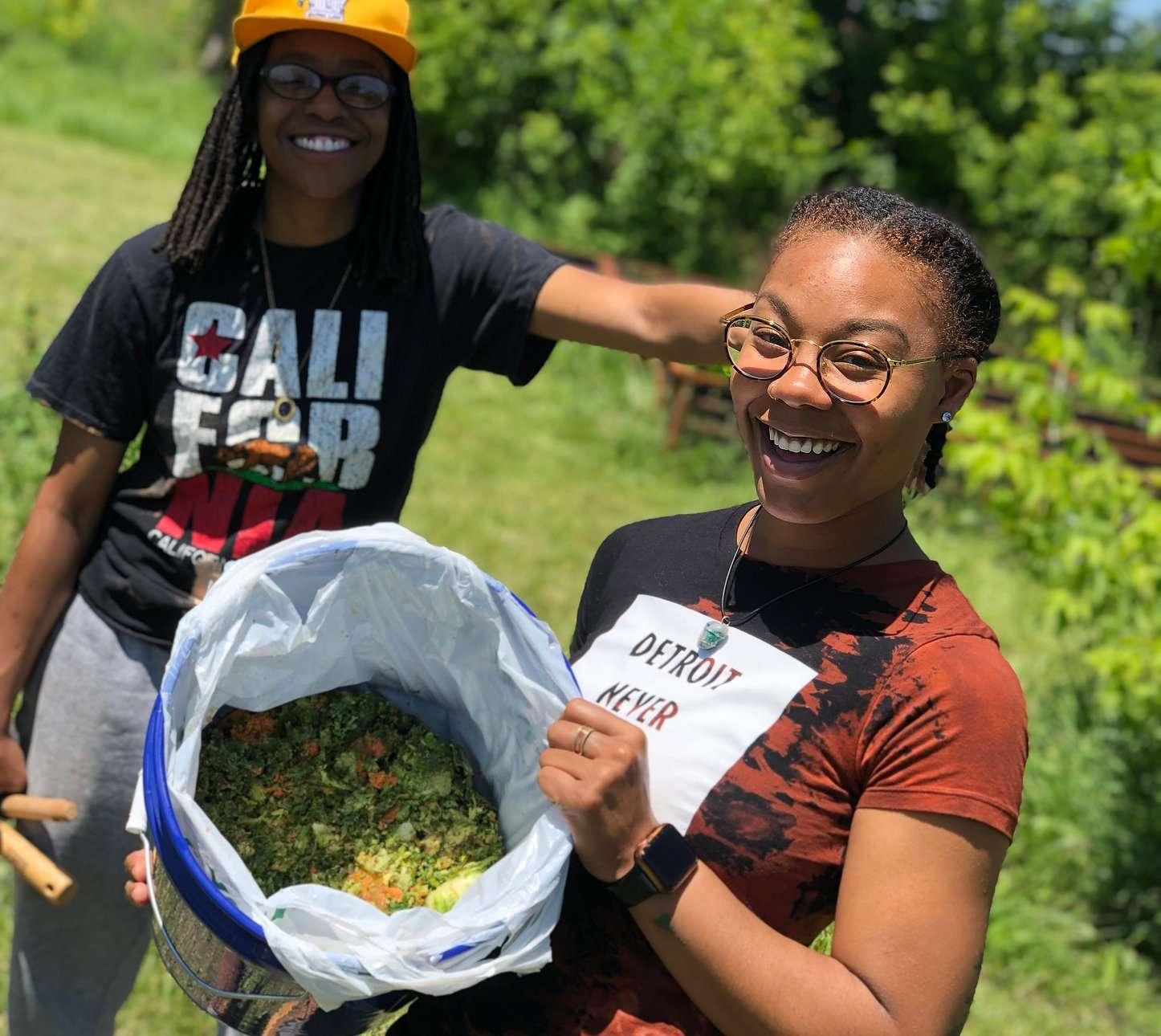
Image Courtesy of Peace Tree Parks Non-Profit Organization
Filed under
Every question deserves a better answer than a search result — here's where this story leads.

Why Every Metro Detroit Nonprofit Should Be Thinking About AI
How a local workshop is helping nonprofit leaders turn curiosity into practical action. For many nonprofit leaders, artificial intelligence still feels like something meant for Silicon Valley or Fortune 500 companies. It isn’t. Whether your organization has three employees or three hundred, AI is quickly becoming another tool that can help teams spend less time […]

Althea Gibson’s Second Act
Most people remember Althea Gibson as a tennis legend. Fewer know she also became the first Black woman to compete on the LPGA Tour, breaking another barrier and opening doors for generations of Black women golfers.

Detroit Jazz Festival 2026 Guide
A local guide to navigating the Detroit Labor Day weekend jazz celebration.
Help Us Get It Right
This coverage is a community project.
Spot something outdated? Know a person, business, or organization this story should connect to? A story we should tell next? It goes straight to our editors — privately.