
Art + Culture
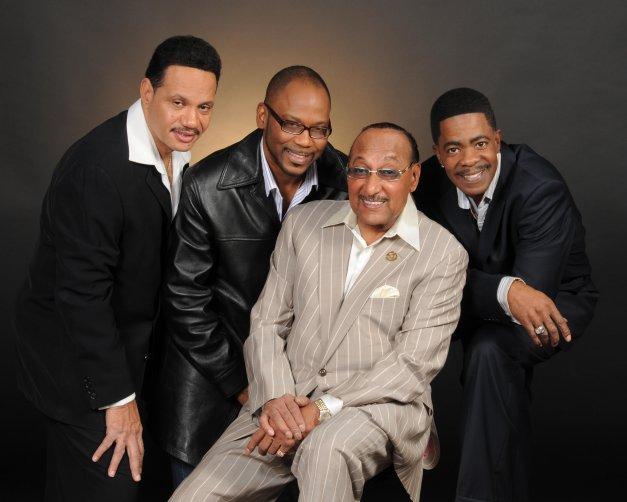
Four Tops’ Abdul ‘Duke’ Fakir just can’t stay away from the stage
March 17, 2017·By BLAC Editorial
While his peers head into retirement, the legendary Motown alum says he doesn’t want a life of couch-sitting.
March 17, 2017
Still waters indeed run deep.
More than 50 years after emerging as one of Motown’s signature acts, The Four Tops’ music still ripples across the pop music landscape, though keeping the foursome’s legacy alive hasn’t been without its challenges.
It’s no secret that Abdul “Duke” Fakir is the quartet’s last surviving member, once part of a lifelong vow to never replace a member of the group – unlike their Temptation counterparts. Various illnesses claimed original members Lawrence Payton, Obie Benson and Levi Stubbs in an eight-year frame between 1997-2005.
But Fakir isn’t just the last of the Tops; he’s among the last of a generation of Detroit-bred artists, Motown Records or otherwise, period. Aretha Franklin has announced her retirement. Otis Williams is the last surviving original member of his group, too. Diana Ross, Mary Wilson and Martha Reeves are only among of handful of Motown-era women who still perform.
It’s something Fakir doesn’t think about, as long as he’s on stage. “I looked at retirement early last year,” Fakir tells BLAC. “(At the time), I just didn’t feel like I should’ve been doing what I was doing as a kid.
“But then all I could see myself doing was sitting on the couch. I said, ‘you’ve still got a voice. You can still move around, and you don’t look so bad, so do it ‘til you drop.’”
Fakir is performing at Andiamo Celebrity Showroom on March 17, bringing familiar hits like “Bernadette,” “I Can’t Help Myself (Sugar Pie Honey Bunch)” and “Reach Out (I’ll Be There)” to the stage.
He won’t have to travel far; Fakir and his wife, Piper, reside on the west side of Detroit.
“I built a home right here on Seven Mile and Berg. I started it in 1986 and have been right here,” he says. “I raised a wonderful family here, all my kids are professionals and they came out of Detroit unscathed.”
For a time, Fakir and the Tops moved with the changes in their industry. In the early 1970s, Motown packed its bags and headed to California. “We didn’t believe it was necessary, but Berry (Gordy) was the president. It was his vision, and he always knew what he was doing,” Fakir says. “He wanted the California life.”
But in 1972, the Tops’ contract with Motown wasn’t renewed. Fakir says there was miscommunication between the group and Gordy; the group believed Gordy had no use for them, and Gordy thought the group wanted out. It wouldn’t be until years later that the two parties would reconcile.
“We were absolutely devastated,” Fakir says. “But Berry said, ‘why didn’t you call me?’”
For a time, the quartet recorded for ABC Records, notching “Ain’t No Woman Like the One I Got” and “Catfish” among their bigger hits. But Fakir didn’t like the California life that Gordy once raved about.
“The housing and all that was sky high,” he says. So Fakir came back in the 1980s – and has watched the city rollercoaster since then.
“I love being home in Detroit…and I love the way it’s going. I love where the city going. Ilitch and Gilbert, they’ve really built Detroit up now and it’s starting to come into the neighborhoods.”
And performing in local venues is the perfect throwback. “This is where we got our start. Detroit was a wonderful, beautiful place to live in. It grew into us, and we grew into that.”
Every question deserves a better answer than a search result — here's where this story leads.

Why Every Metro Detroit Nonprofit Should Be Thinking About AI
How a local workshop is helping nonprofit leaders turn curiosity into practical action. For many nonprofit leaders, artificial intelligence still feels like something meant for Silicon Valley or Fortune 500 companies. It isn’t. Whether your organization has three employees or three hundred, AI is quickly becoming another tool that can help teams spend less time […]
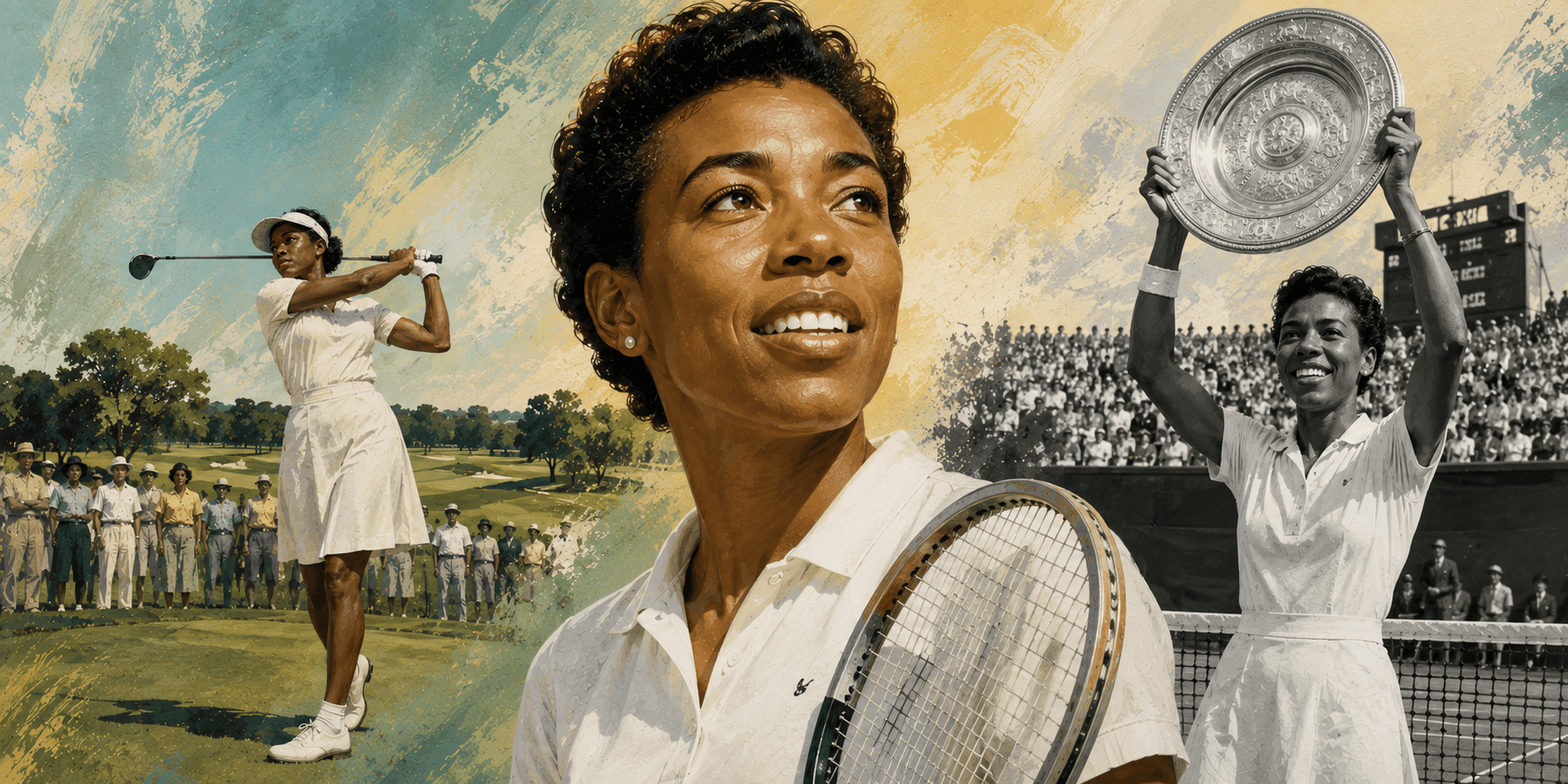
Althea Gibson’s Second Act
Most people remember Althea Gibson as a tennis legend. Fewer know she also became the first Black woman to compete on the LPGA Tour, breaking another barrier and opening doors for generations of Black women golfers.

Detroit Jazz Festival 2026 Guide
A local guide to navigating the Detroit Labor Day weekend jazz celebration.
Help Us Get It Right
This coverage is a community project.
Spot something outdated? Know a person, business, or organization this story should connect to? A story we should tell next? It goes straight to our editors — privately.