
Health + Beauty
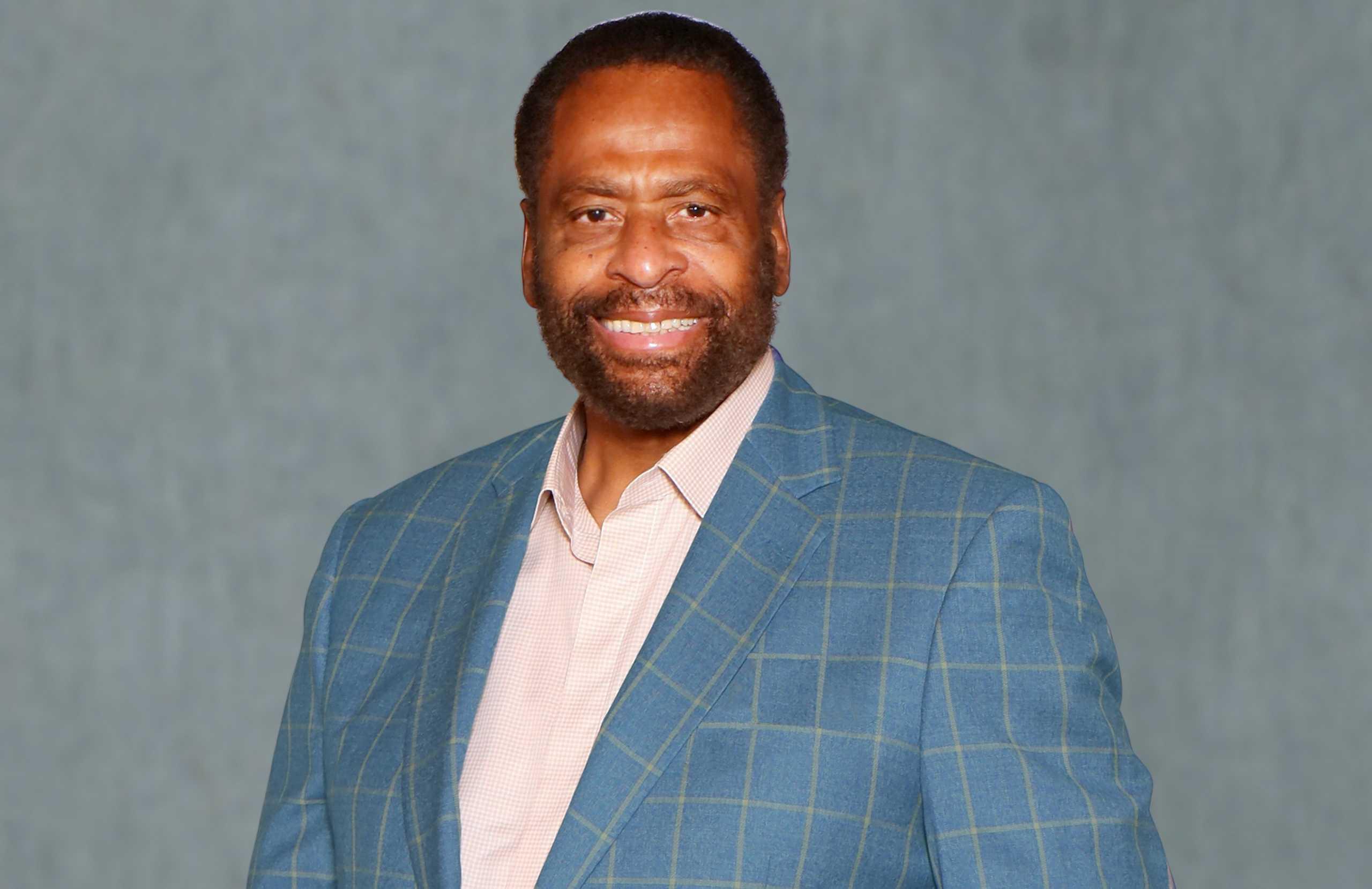
Former Detroit Pistons Coach Don Chaney Opens Up About His Rare Heart Condition
February 9, 2021 · Updated February 9, 2021·By Arianna Smith
Chaney suffered undiagnosed for years until a test confirmed that he had Transthyretin Amyloid Cardiomyopathy, a condition that almost exclusively affects Black men.

February 9, 2021 · Updated February 9, 2021
What do sickle cell anemia, prostate cancer and sarcoidosis – an inflammatory disease that affects multiple organs, especially the lungs – have in common? They’re all adverse health conditions that disproportionately affect African Americans, particularly our men.
Combine genetic predispositions to multiple diseases with a culture that finds it difficult to trust the health care field on a good day and you wind up with situations like the one former NBA coach Don Chaney found himself in – living for over a decade with an undiagnosed rare, life-threatening heart condition called Transthyretin Amyloid Cardiomyopathy (ATTR-CM).
“It took a very long time for me to be finally diagnosed with ATTR-CM. I learned that it’s a genetic issue that affects Black men disproportionately, and the only way to detect it is with a specific test. I was lucky enough to know my family history and trust my cardiologist. Most of us don’t have that luxury,” Chaney says.
In people with genetic ATTR-CM, a protein called amyloid is deposited in the heart, nerves and other organs where it builds up and causes complications and failure. According to the American Heart Association, it’s frequently hereditary and found almost exclusively in African Americans, with a rate of about one in 25.
The other form of the disease is wild-type ATTR, which doesn’t run in families and develops in older adults, usually 65 and over. Both forms of the disease are chronically underdiagnosed and often mistaken for typical heart failure.
Chaney, who’s 74, played basketball in college and then 11 years with the NBA. He helped usher the Celtics to a championship victory in 1968 and then coached for the next 22 seasons, three of those with the Detroit Pistons. He accomplished all of that while experiencing years of ATTR-CM symptoms including swollen joints, carpal tunnel, fatigue, insomnia and heart palpitations.
“I and everyone I knew thought that my symptoms were just regular heart disease. I knew I was experiencing symptoms, but I figured it was wear and tear on my body from years of playing basketball. I was still shocked when they diagnosed me because I kept my body in good condition, and I thought I should have been healthy overall. I also felt bad because I was worried about my son,” Chaney says.
Conditions like ATTR-CM that hit the Black community at disproportionate rates are often only detectable with special screenings that patients usually don’t even know to ask for. Finding a doctor who you feel comfortable discussing family and personal information should be a priority for the Black community to catch and address problems sooner.
“The NBA, NFL and other sports leagues should definitely take up awareness about issues like ATTR-CM because most of their players are Black and they rely on them,” Chaney says. “But a lot of managing your health is proactive. Taking the steps to talk to your doctor, listen to them and stick to your regimens are the most important.”
Filed under
Every question deserves a better answer than a search result — here's where this story leads.

Why Every Metro Detroit Nonprofit Should Be Thinking About AI
How a local workshop is helping nonprofit leaders turn curiosity into practical action. For many nonprofit leaders, artificial intelligence still feels like something meant for Silicon Valley or Fortune 500 companies. It isn’t. Whether your organization has three employees or three hundred, AI is quickly becoming another tool that can help teams spend less time […]
Althea Gibson’s Second Act
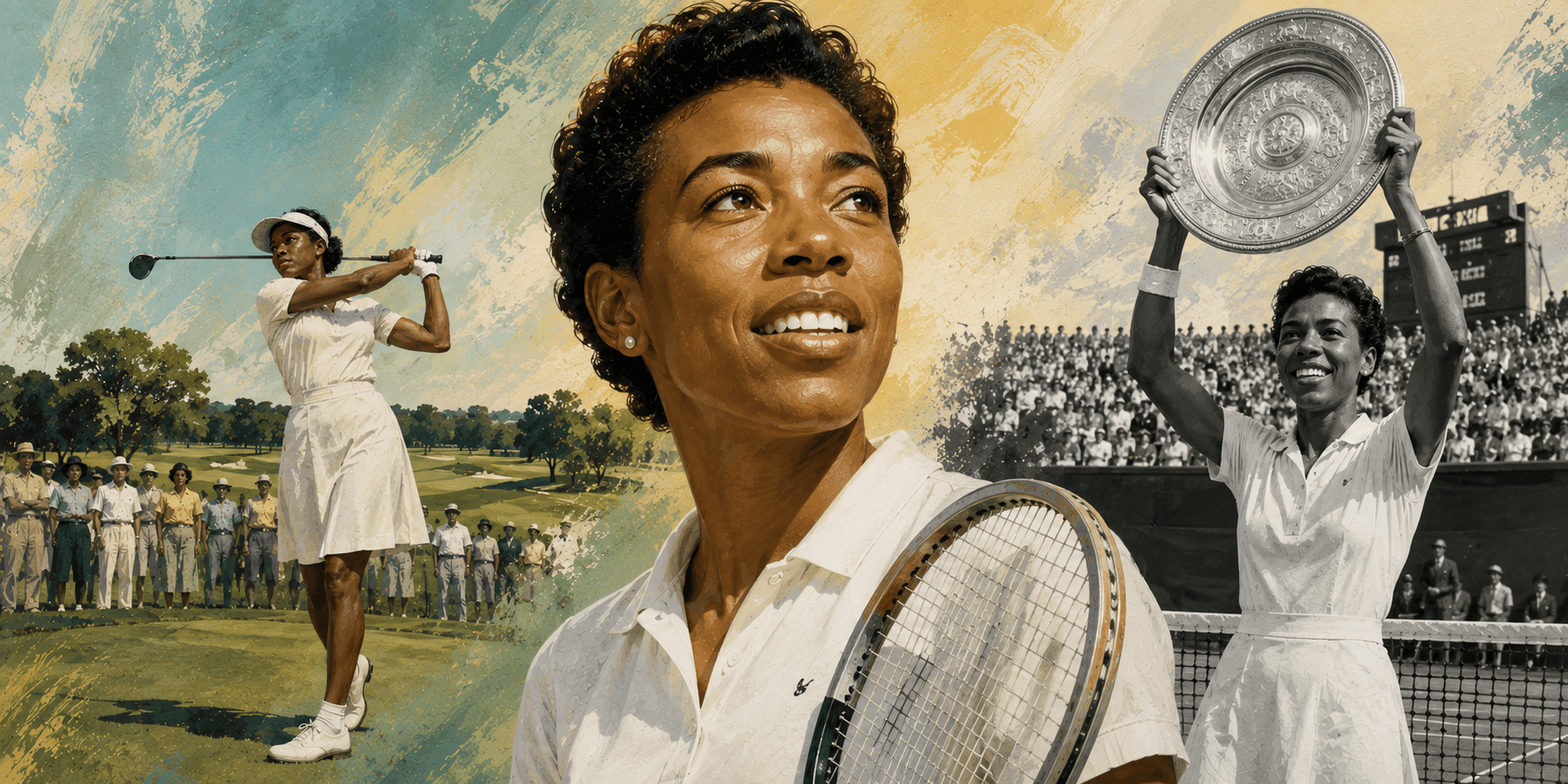
Most people remember Althea Gibson as a tennis legend. Fewer know she also became the first Black woman to compete on the LPGA Tour, breaking another barrier and opening doors for generations of Black women golfers.

Detroit Jazz Festival 2026 Guide
A local guide to navigating the Detroit Labor Day weekend jazz celebration.
Help Us Get It Right
This coverage is a community project.
Spot something outdated? Know a person, business, or organization this story should connect to? A story we should tell next? It goes straight to our editors — privately.