
Art + Culture
Detroit Institute of Arts Prepares for New Exhibit, ‘Lost & Found: Photographs from the DIA’s Collection’
August 1, 2018·By BLAC Editorial
The museum will display Detroit-themed recovered photographs.
August 1, 2018
Once upon a time, the fear was that a camera could capture your soul and keep it locked away forever. A bit too fantastical, of course, but still, there exists real mystical power in photography, in its ability to abduct a fleeting glance, a mid-sentence laugh, a moment that would be otherwise lost.
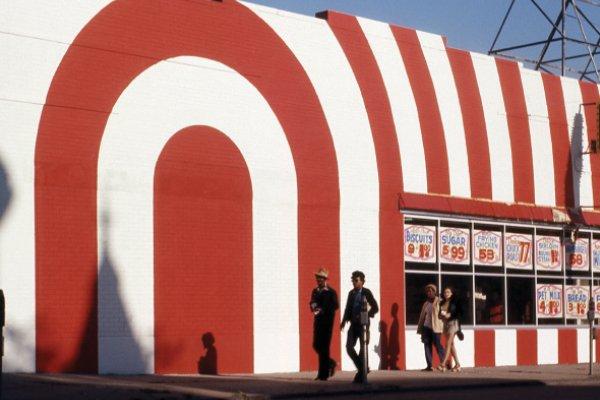
To broaden understanding of photography as a cultural practice, the Detroit Institute of Arts presents Lost & Found: Photographs from the DIA's Collection, an exhibit that'll display photographs from the 1860s through the 1970s taken by unknown and amateur photographers that focus on Detroit-centered subject matter.
Peter J. Cohen, prominent New York-based collector of snapshots and vernacular photographs, gifted the DIA with many of the images. Others have been recovered from attics, resale shops and from the museum's archives. Nancy Barr, co-chief curator and head of the print, drawings and photographs department, says similar exhibits have shown that "people find these are both familiar and mysterious at the same time."
She says, "I think people will see the big picture, that photography kind of captured these moments and times, and places and people that were meaningful to history." And not just people of high society and European ancestry. "Photography is a medium of the people," Barr says. She expects that Lost & Found will paint "a larger picture about the last century: who we were, what we were interested in (and) how we documented those activities, whether they were trivial or very, very important in our lives."
Lost & Found runs from Aug. 26-March 3, 2019.
Every question deserves a better answer than a search result — here's where this story leads.

Why Every Metro Detroit Nonprofit Should Be Thinking About AI
How a local workshop is helping nonprofit leaders turn curiosity into practical action. For many nonprofit leaders, artificial intelligence still feels like something meant for Silicon Valley or Fortune 500 companies. It isn’t. Whether your organization has three employees or three hundred, AI is quickly becoming another tool that can help teams spend less time […]

Althea Gibson’s Second Act
Most people remember Althea Gibson as a tennis legend. Fewer know she also became the first Black woman to compete on the LPGA Tour, breaking another barrier and opening doors for generations of Black women golfers.

Detroit Jazz Festival 2026 Guide
A local guide to navigating the Detroit Labor Day weekend jazz celebration.
Help Us Get It Right
This coverage is a community project.
Spot something outdated? Know a person, business, or organization this story should connect to? A story we should tell next? It goes straight to our editors — privately.