
News + Features
Desegregation Icon, Ruby Bridges, Releases Children’s Book
September 7, 2022 · Updated September 7, 2022·By Joshua Andrei Bon
Ruby Bridges, one of the first African American student to desegregate an elementary school, announced the release of her children’s book.

September 7, 2022 · Updated September 7, 2022
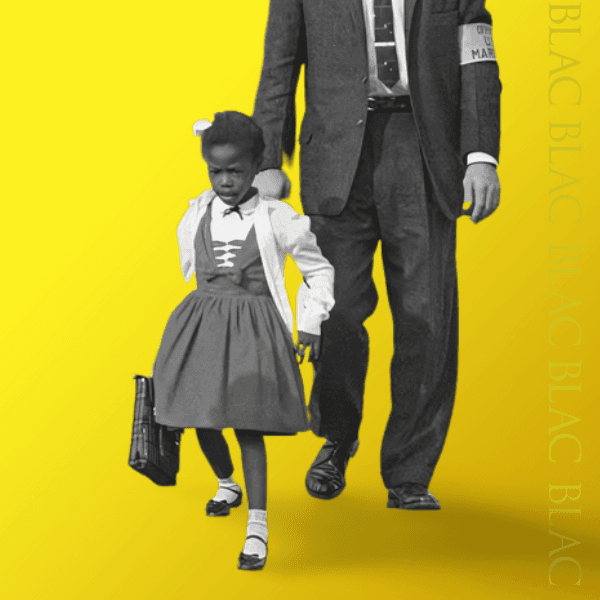
Ruby Bridges, the six years old who made history by becoming one of the first African American student to attend an elementary school in Louisiana, New Orleans at the height of desegregation released of her book titled “I Am Ruby Bridges.”
The book tells the tale of her historic moment from the eyes of her childhood self and “how one six-year-old girl’s march to school changed the world.”

“It’s a true reflection of what happened through my own eyes,” Bridges said in an interview with the Associated Press. “I’ve been very, very fortunate because of the way I tell my story that my babies come in all shapes and colors, and my books are bestsellers, and maybe banned in schools … But I think parents really want to get past our racial differences. They’re going to seek out those books.”
The momentous Brown v. the Board of Education of Topeka, Kansas ruling by the U.S. Supreme Court that outlawed racial segregation in public schools coincided the same year Bridges was born. Southern states initially resisted the desegregation; however, Louisiana was eventually compelled to integrate. To determine if African American pupils could compete academically at an all-white school, the school district developed admission examinations for them. Bridges and five other pupils succeeded on the test. “That shaped me into a person that is not prejudiced at all. And I feel like that little girl is still inside of me, and that’s it’s my calling to make sure kids understand that you can’t look at someone and judge them,” Bridges said.
Four federal marshals took the 6-year-old Bridges and her mother to school each day that year. “It really looks like Mardi Gras to me, but they aren’t throwing any beads. What’s Mardi Gras without beads?” Bridges writes in her book, remembering the hostile crowd that greeted her first day in school. She moved through groups who hurled foul language at her. A white woman even went as far as carrying a Black baby doll inside a coffin to protest the desegregation. Only one teacher agreed to teach Bridges — Barbara Henry, a white Boston resident.
Filed under
Every question deserves a better answer than a search result — here's where this story leads.

Why Every Metro Detroit Nonprofit Should Be Thinking About AI
How a local workshop is helping nonprofit leaders turn curiosity into practical action. For many nonprofit leaders, artificial intelligence still feels like something meant for Silicon Valley or Fortune 500 companies. It isn’t. Whether your organization has three employees or three hundred, AI is quickly becoming another tool that can help teams spend less time […]
Althea Gibson’s Second Act
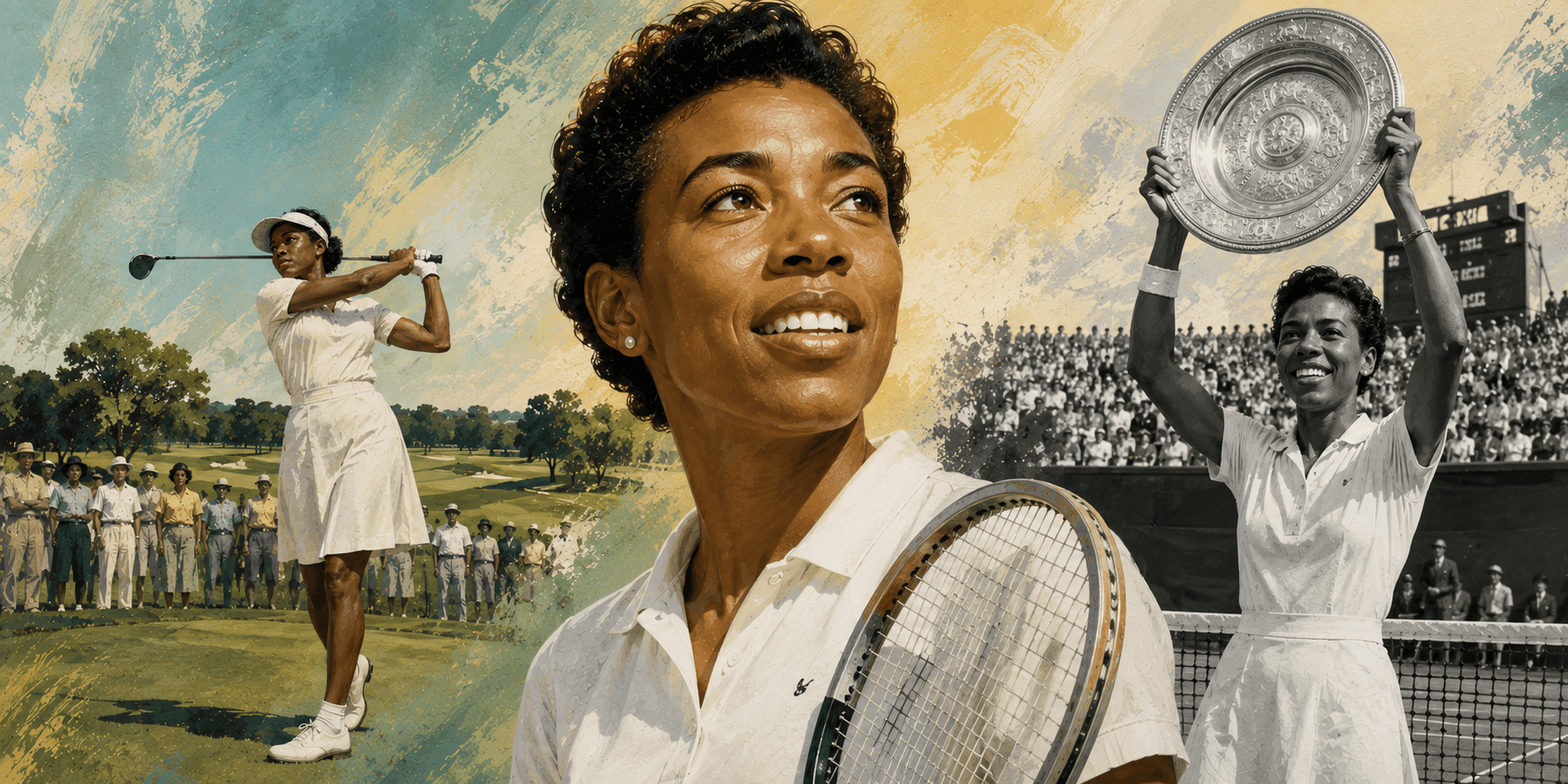
Most people remember Althea Gibson as a tennis legend. Fewer know she also became the first Black woman to compete on the LPGA Tour, breaking another barrier and opening doors for generations of Black women golfers.

Detroit Jazz Festival 2026 Guide
A local guide to navigating the Detroit Labor Day weekend jazz celebration.
Help Us Get It Right
This coverage is a community project.
Spot something outdated? Know a person, business, or organization this story should connect to? A story we should tell next? It goes straight to our editors — privately.