
News + Features
Breast Cancer Survivor: The Greatest Christmas Gift
December 2, 2014·By BLAC Editorial
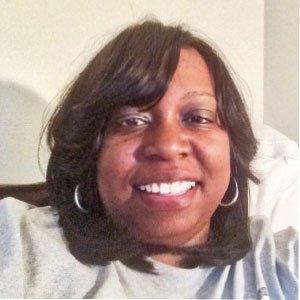
Master’s student, medical technician Tamika Anderson finds the true meaning of the holiday season after surviving breast cancer twice
December 2, 2014
t's easy to forget the true meaning of the holiday season with all the hustle and bustle. Around this time of year, I have a greater appreciation and gratitude for life, because it was not long ago that my life was turned upside down.
In 2009, at age 29, I was diagnosed with stage 2 breast cancer.
After finding a lump in my right breast while taking a shower, I went to my primary care doctor and was sent to receive an ultrasound and mammogram. I had difficulty getting a mammogram because I was under 30 years old, but eventually I got one. A biopsy revealed, indeed, I had breast cancer.
Actually, I have a family history of breast cancer, but I never thought twice about it, because it was on my paternal side of the family. After some genetic testing, I found out I had a mutation in my BRCA1 gene-the gene that produces tumor suppressor proteins-so I am at greater risk. I underwent a lumpectomy and lymph node biopsy and my breast cancer was diagnosed as triple-negative-one of the hardest and most aggressive forms of cancers to treat.
Within six months of chemotherapy and two months of radiation, I was in remission by February 2010. I joined a program called The Witness Project of Detroit, an awareness initiative, hoping my story will assist and educate other African-American women about mammograms and breast cancer health.
I was almost at my five-year mark in remission when I began to have chest pains in my left breast. Although my doctor and oncologist could not feel anything, a mammogram revealed a tumor up against my chest wall.
This was a very stressful time-I had just bought my first house a week before and was recently admitted to the public health master's program at Oakland University. But I continued to work and to stay in school.
After another biopsy (this time on my left breast), I learned that it was again stage 2. My medical team advised a mastectomy. So on Feb. 3, 2014, I had a bilateral mastectomy with lymph node biopsy. My lymph nodes tested negative for cancer cells but my cancer was again triple-negative.
I had complications after surgery because of the radiation I received in 2009. My wound would not close and I caught an infection that led to three additional surgeries. And during the summer, my chemotherapy treatment came with side effects. Hair loss, bone pain, hand and feet neuropathy, nausea, vomiting and loss of energy. But I continued to work full time as a medical technologist, take two online classes, and do my practicum for my graduate program. I'm now done with chemotherapy and scheduled for reconstructive surgery this month.
My journey is not over, but I am more determined and motivated than ever to beat this disease. When I graduate, I plan to pursue work in infectious disease control and prevention. I also want to continue to help African-American women to be knowledgeable when it comes to breast cancer and health.
My journey has definitely been hard. But through all of the treatments, surgeries and side effects, I've found a new appreciation and gratefulness for life, especially around the holidays. This has opened my eyes to the importance of spirituality, family, friends and helping others.
This Christmas, I won't be concerned with what's under the tree. Being able to spend time with the people I cherish and love is the greatest gift of all.
Every question deserves a better answer than a search result — here's where this story leads.

Why Every Metro Detroit Nonprofit Should Be Thinking About AI
How a local workshop is helping nonprofit leaders turn curiosity into practical action. For many nonprofit leaders, artificial intelligence still feels like something meant for Silicon Valley or Fortune 500 companies. It isn’t. Whether your organization has three employees or three hundred, AI is quickly becoming another tool that can help teams spend less time […]
Althea Gibson’s Second Act
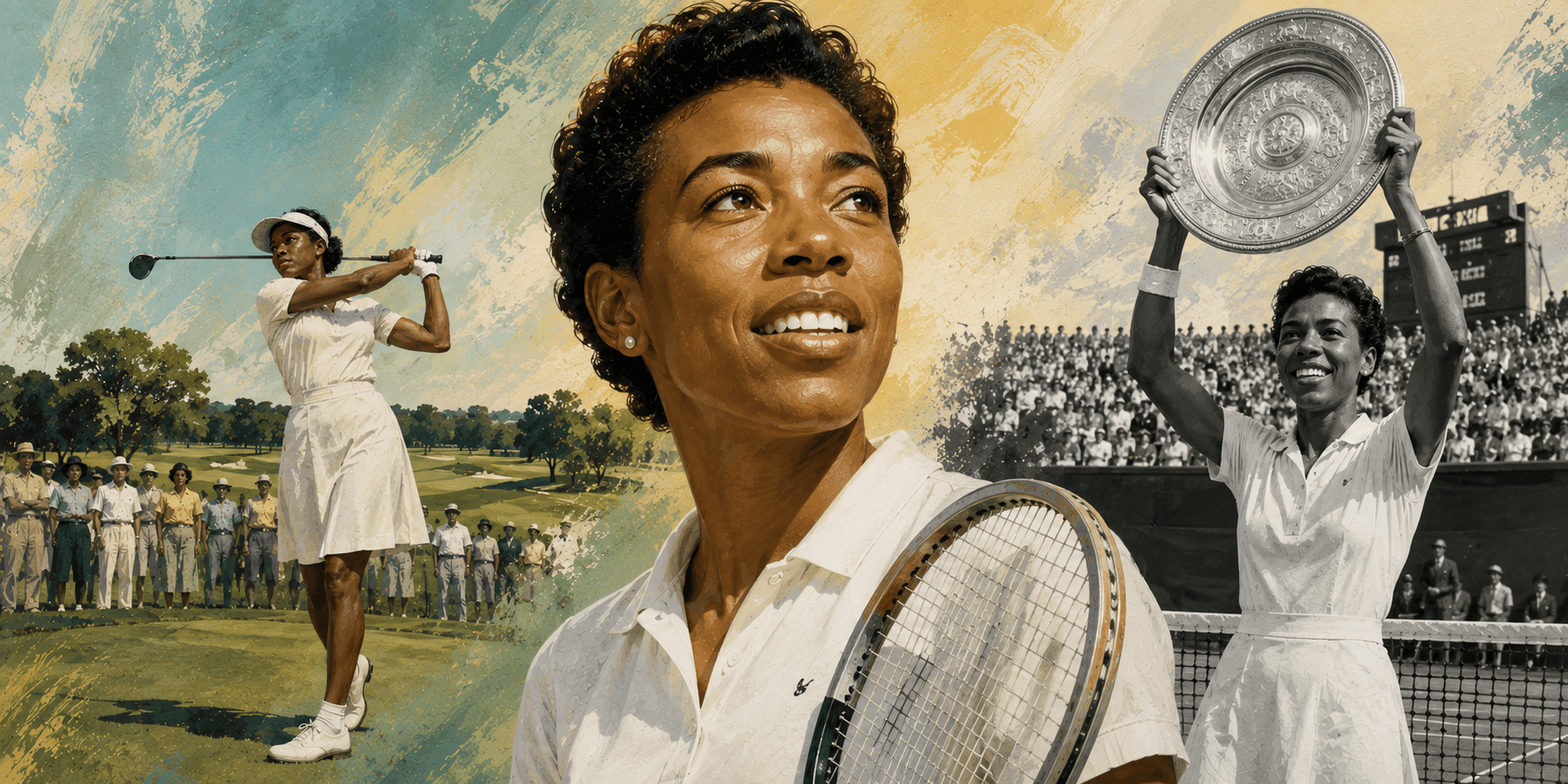
Most people remember Althea Gibson as a tennis legend. Fewer know she also became the first Black woman to compete on the LPGA Tour, breaking another barrier and opening doors for generations of Black women golfers.

Detroit Jazz Festival 2026 Guide
A local guide to navigating the Detroit Labor Day weekend jazz celebration.
Help Us Get It Right
This coverage is a community project.
Spot something outdated? Know a person, business, or organization this story should connect to? A story we should tell next? It goes straight to our editors — privately.