
News + Features
Breaking the Ice with Bettye
December 27, 2013·By BLAC Editorial
The native songstress Bettye LaVette talked rebellion, acid and growing up on the jukebox
December 27, 2013
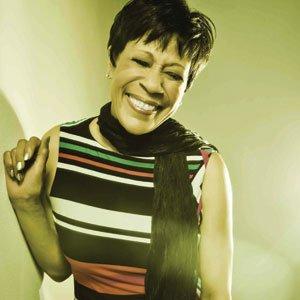
t wasn't until the release of the 2005 album I've Got My Own Hell to Raise that Bettye LaVette became a household name. Mistakenly labeled a "soul singer," at almost 70 years old, LaVette sings it loud that her sound is the original rhythm and blues, and she has been raising hell for quite some time.
"I wish they would, since they do insist on pigeon-holing us, put us in the right hole."
Appearing on Day Two of the Anti-Freeze Blues Festival at the Magic Bag in Ferndale, LaVette says performing is just "what she does." After all, what can you expect from a woman who was raised not in church, she says, but on the jukebox.
"My mother was that New Orleans Catholic, where on Sunday morning, she either had a hangover or was still drunk. But she adhered to mass and made sure that I went," says LaVette, who grew up in Muskegon. "It wasn't like the Baptist upbringing, where everybody went to church on Sunday, and the minister came to your house and you sung in the choir. My parents, during segregation, sold corn liquor."
That business, she recalls with a laugh, was a real aid to the community-because you could not get liquor anywhere else in Muskegon if you were Black.
"It was a jukebox in our living room. There was no gambling. You could just eat and dance, listen to music and drink. But when I was 2, I knew old songs, and I liked all the songs on the jukebox," LaVette says. "That's how my albums end up being so eclectic, because I like so many different types of music."
Becoming a star didn't happen overnight; it was a process she honed while forced to sing in some of the Detroit's rougher venues-times in her career when "the sugar turned to shit." But there were also wild times at famed nightclub The 20 Grand.
"I was there with The Parliaments … during the 10 days that they turned into the The Funkadelics," says LaVette. "And then acid hit the scene. And everybody took some acid. I am just glad I didn't take it when I had to go to work. I wouldn't have been able to find the stage. They took it, and George (Clinton) came out. And the bass player was taking off his shirt. It was just disorganized. But they were funky. The high, I think, brought it out of them."
LaVette says she's sustained her several-decade long career by making her voice, not fame, top priority. By today's star standards, that makes her a rebel of sorts. But don't call her that.
"I am not a rebel artist at all. I am the epitome of an artist. But I certainly don't live the average life." It's one that's miles apart from American Idol.
"I don't think you become an artist, certainly not a star, in 13 weeks. I don't care how loud you can sing. … If you put us in that little room, with just those people, I will kick your ass."
Every question deserves a better answer than a search result — here's where this story leads.

Why Every Metro Detroit Nonprofit Should Be Thinking About AI
How a local workshop is helping nonprofit leaders turn curiosity into practical action. For many nonprofit leaders, artificial intelligence still feels like something meant for Silicon Valley or Fortune 500 companies. It isn’t. Whether your organization has three employees or three hundred, AI is quickly becoming another tool that can help teams spend less time […]

Althea Gibson’s Second Act
Most people remember Althea Gibson as a tennis legend. Fewer know she also became the first Black woman to compete on the LPGA Tour, breaking another barrier and opening doors for generations of Black women golfers.

Detroit Jazz Festival 2026 Guide
A local guide to navigating the Detroit Labor Day weekend jazz celebration.
Help Us Get It Right
This coverage is a community project.
Spot something outdated? Know a person, business, or organization this story should connect to? A story we should tell next? It goes straight to our editors — privately.