
News + Features
“Black Bottom: Life before Lafayette Park”
November 4, 2013·By BLAC Editorial
Before it was Lafayette Park, the area was called Black Bottom. Learn about the history of the location.
November 4, 2013
Content brought to you by Ford Motor Company Fund
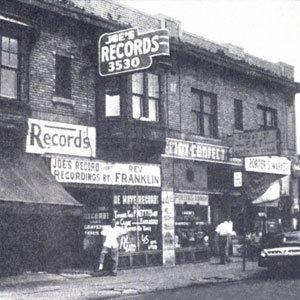
afayette Park was once the site of Black Bottom, named this for its rich soil, according to the Detroit Historical Society. Many Blacks who moved from the South settled in Black Bottom. Due to segregation, "they really couldn't live very many places in the city," says Marsha Music, a park resident whose father, Joe Von Battle, owned Joe's Record Shop north of Black Bottom at Mack Avenue and Hastings Street.
Music says Black Bottom was comprised of residents from mixed-income levels and different professions. Hastings Street was a main road, and there were Black-owned businesses throughout the community.
During the 1950s and '60s, the area was razed for an urban renewal project, and the Chrysler Freeway was built. Many of Black Bottom's residents ended up moving to housing projects, the DHS notes.
Music's father, who recorded Aretha Franklin, her father the Reverend C.L. Franklin, John Lee Hooker and many more, had to move his business.
"I remember standing there with my dad, looking over in that big pit, in that crevasse and seeing that and my father saying, 'This used to be Hastings,'" Music says of the Chrysler Freeway.
Lafayette Park is like "hallowed ground" because of its history, she says. And now she lives minutes from where her father's shop once stood.
Photo courtesy of Marsha Music, record shop photographed by Jacques Demetre.
Every question deserves a better answer than a search result — here's where this story leads.

Why Every Metro Detroit Nonprofit Should Be Thinking About AI
How a local workshop is helping nonprofit leaders turn curiosity into practical action. For many nonprofit leaders, artificial intelligence still feels like something meant for Silicon Valley or Fortune 500 companies. It isn’t. Whether your organization has three employees or three hundred, AI is quickly becoming another tool that can help teams spend less time […]
Althea Gibson’s Second Act
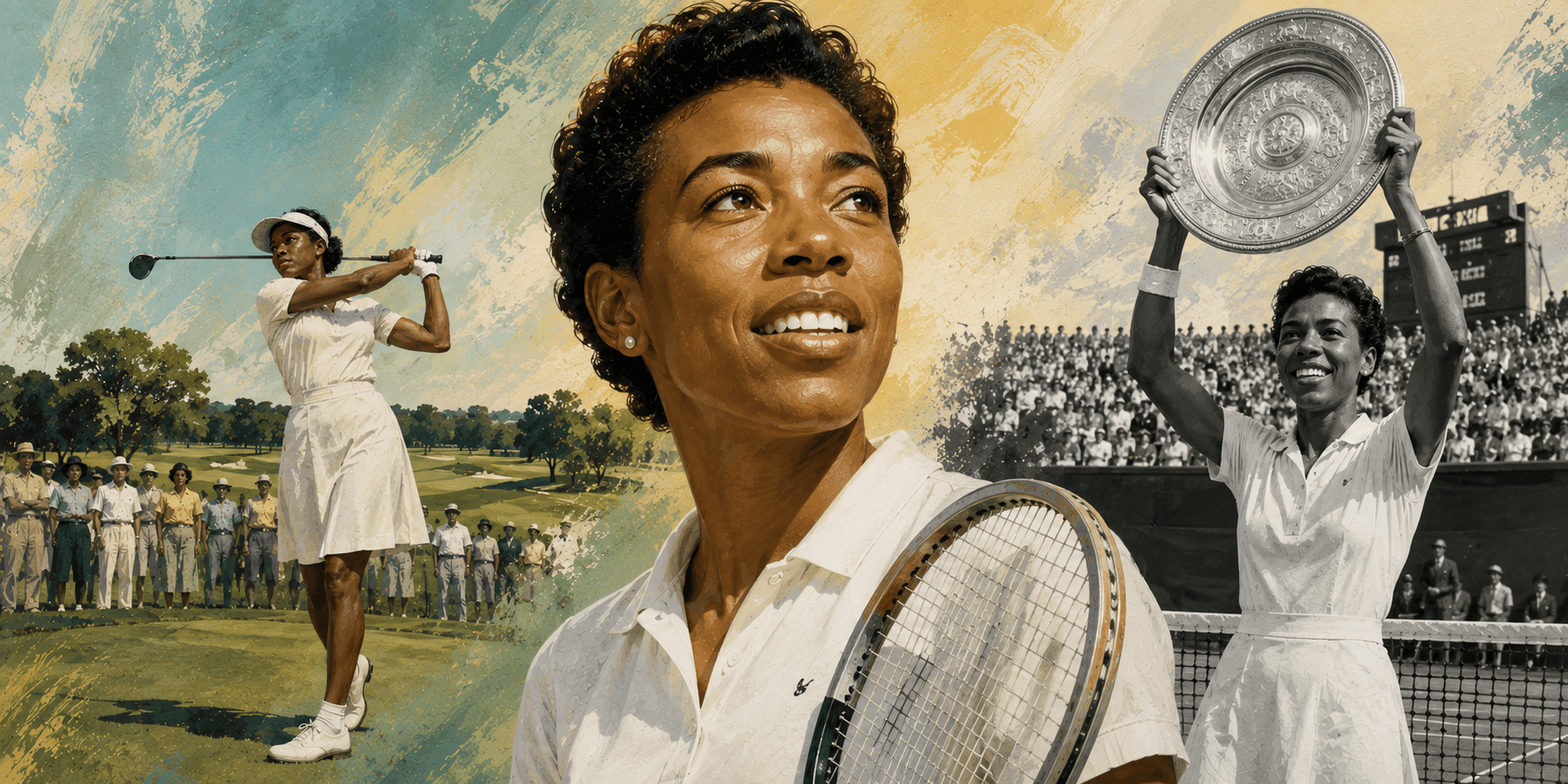
Most people remember Althea Gibson as a tennis legend. Fewer know she also became the first Black woman to compete on the LPGA Tour, breaking another barrier and opening doors for generations of Black women golfers.

Detroit Jazz Festival 2026 Guide
A local guide to navigating the Detroit Labor Day weekend jazz celebration.
Help Us Get It Right
This coverage is a community project.
Spot something outdated? Know a person, business, or organization this story should connect to? A story we should tell next? It goes straight to our editors — privately.