
News + Features
Beekeepers Beckon Harvest Season in Detroit
November 3, 2014·By BLAC Editorial
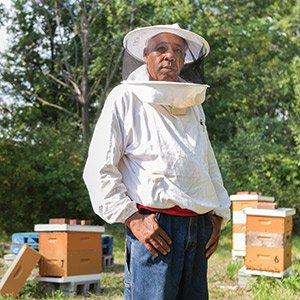
Thanks to beekeepers like Karanja Famodou, bees play an important role in food security the Detroit Black Community Food Security Network at the D-Town Farm
November 3, 2014
hen giving your thanks this holiday, save a few words for the bees. Karanja Famodou-lead beekeeper of D-Town Farm on Detroit's west side-cautiously cares for the swarming hives, preserving their livelihood and keeping them pollenating.
It all started about two years ago after helping his son, Pablo, with a gardening project. Since then, Famodou, affectionately called "Baba" (father) at D-Town, has been a mainstay on the farm. The land, owned by the Detroit Black Community Food Security Network, fosters nourishment in the area's Black community through urban agriculture.
"Our philosophy is that we want the bees to have enough (honey) to get through the winter," says Famodou. "Beyond that, we harvest and sell at various markets around the city."
Each hive begins with about 3,000 bees. They are united with a queen and then begin building honeycombs out of beeswax. The queen bee can lay about 1,500 eggs a day as she maintains a colony of more than 60,000 worker bees.
"Our (bees) are pretty docile," says Famodou. Yet "No matter what species of bee, if you open a hive and you make alarming moves, then that's when they will become aggressive and attack."
One time, they did. "I was weed wacking in the area, so of course that alarmed them," he recalls. "I didn't have on any protective gear. I opened the hive in the corner just to take a look, and they were not pleased."
Queens live on average for one to two years; standard worker bees about three to six weeks. It's a delicate process. Factors like condensation and cold weather can be threats. But perhaps the biggest is people; particularly, pesticide use.
"That's impacting their ability to find food. It's a significant problem. Without bees, we wouldn't have fruits or vegetables"-or Thanksgiving. "That's not a good thing."
Every question deserves a better answer than a search result — here's where this story leads.

Why Every Metro Detroit Nonprofit Should Be Thinking About AI
How a local workshop is helping nonprofit leaders turn curiosity into practical action. For many nonprofit leaders, artificial intelligence still feels like something meant for Silicon Valley or Fortune 500 companies. It isn’t. Whether your organization has three employees or three hundred, AI is quickly becoming another tool that can help teams spend less time […]
Althea Gibson’s Second Act
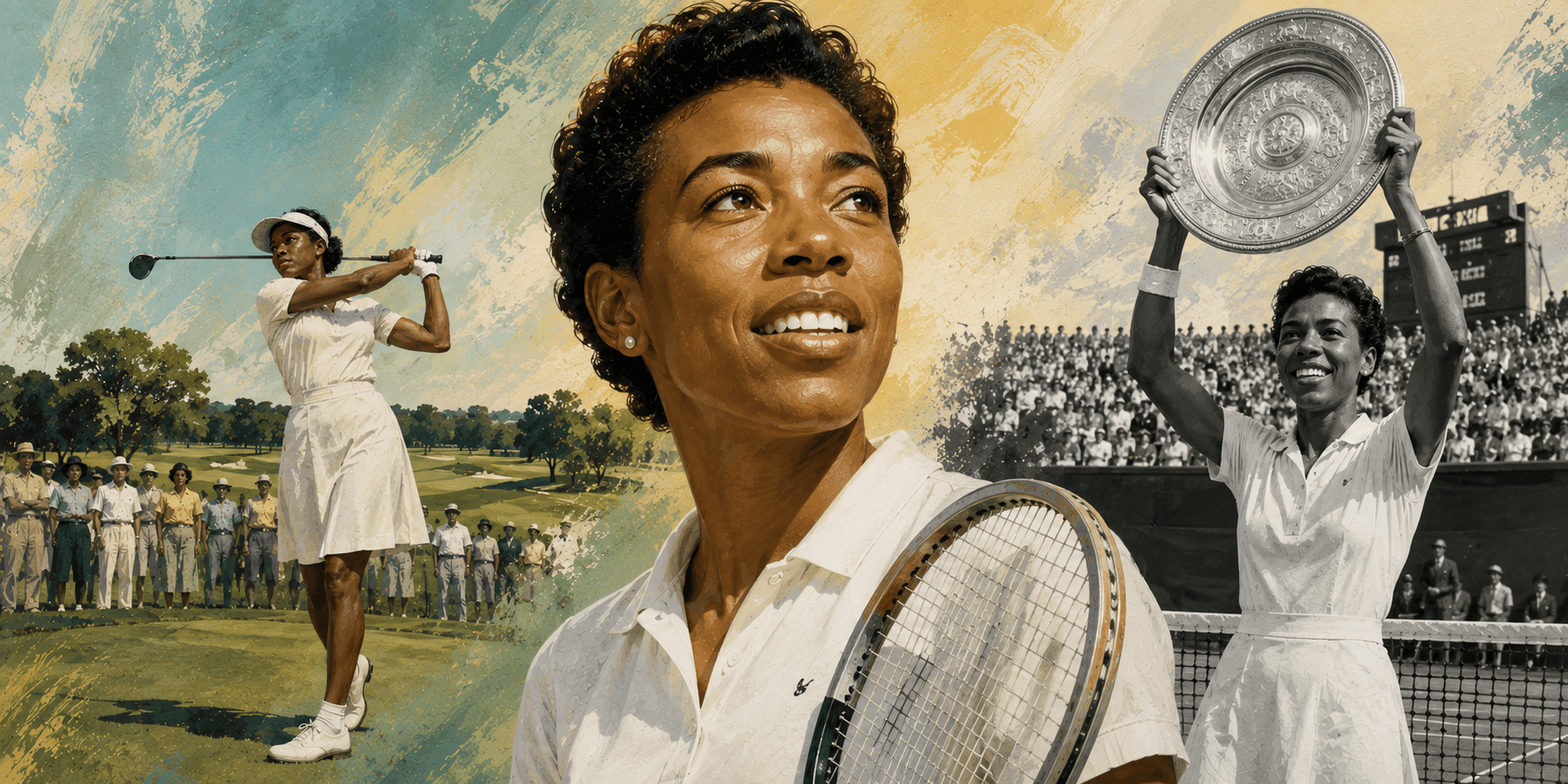
Most people remember Althea Gibson as a tennis legend. Fewer know she also became the first Black woman to compete on the LPGA Tour, breaking another barrier and opening doors for generations of Black women golfers.

Detroit Jazz Festival 2026 Guide
A local guide to navigating the Detroit Labor Day weekend jazz celebration.
Help Us Get It Right
This coverage is a community project.
Spot something outdated? Know a person, business, or organization this story should connect to? A story we should tell next? It goes straight to our editors — privately.