
News + Features
50 years later, is it “Detroit riots” or “Detroit rebellion?”
January 4, 2017·By BLAC Editorial
Detroiters still debate on which term is more apt for describing the city’s definitive culture shift
January 4, 2017
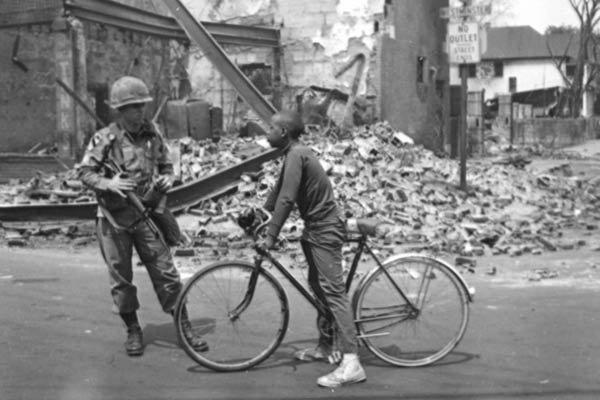
Throughout 2017, BLAC will reflect, remember and review the events of 1967 in Detroit and what it means for us going forward. This is the first in an ongoing series.
ost often, we hear people refer to the uprising that took place in Detroit in July 1967 as a riot – “public violence, tumult or disorder.” The connotations associated with that term, however, lead many to reject “riot” in favor referring to the uprising as a rebellion. The definition of rebellion is a bit more pointed: “An opposition to one in authority or dominance.”
Author Ken Coleman didn’t live through the riots (he was actually born a few months after), but he researched those chaotic times for the book Detroit 1967: Origins, Impacts, Legacies (Wayne State University Press, $39.99), a collection of essays edited by Joel Stone, which will be available in April.
“We say most immediately that terms were being used based on what color the person was,” Coleman says. “For example, a lot of African-Americans refer to the uprising as a rebellion – and whites referring to it as a riot. I think that’s what we saw most immediately in the years following 1967. Interestingly enough, when I surveyed people, some blacks called it a riot, some whites called it a rebellion and vice versa, and you couldn’t generalize based on race.”
Coleman recalls a woman he spoke with while researching his essay. The woman, who is black, grew up within a mile of the uprising’s epicenter during that time. Coleman says the woman referred to 1967’s events as a riot.
“She looked at it as unfocused lawlessness. People looking to loot,” Coleman says. “She is an educated woman, a retired teacher; she was in college at the time. She’s an African-American woman and she vehemently refers to is as a riot and really takes offense to people calling it a rebellion.”
In contrast, Coleman recalled another conversation with a different Detroiter about his views on the subject.
“I don’t believe he was born at the time, but he was a person who has studied history and understands what happened in 1967,” Coleman says. “This particular person, who happens to be white, calls it a rebellion. When I talked to him, his position was that the uprising in 1967 was a response to political or societal oppression. Two different people, different generations, different races, different perspectives on life – but a very different view of what the uprising in 1967 was.
“I’m fond of using the term ‘history lives.’ What I mean by that is things that happened 40, 50, 60 years ago often come around again, and they happen again in a different form and maybe in a different shape,” Coleman says.
He adds that community concerns of police brutality and hostility are something that has never left Detroit, citing the Malice Green incident in the early ’90s.
“It’s very different than it was in 1967. We have a black police chief now, we’ve had African-American mayors since that time,” Coleman says. “But some of the challenges that we face with police and civilians, at times, haven’t changed at all.”
Every question deserves a better answer than a search result — here's where this story leads.

Why Every Metro Detroit Nonprofit Should Be Thinking About AI
How a local workshop is helping nonprofit leaders turn curiosity into practical action. For many nonprofit leaders, artificial intelligence still feels like something meant for Silicon Valley or Fortune 500 companies. It isn’t. Whether your organization has three employees or three hundred, AI is quickly becoming another tool that can help teams spend less time […]
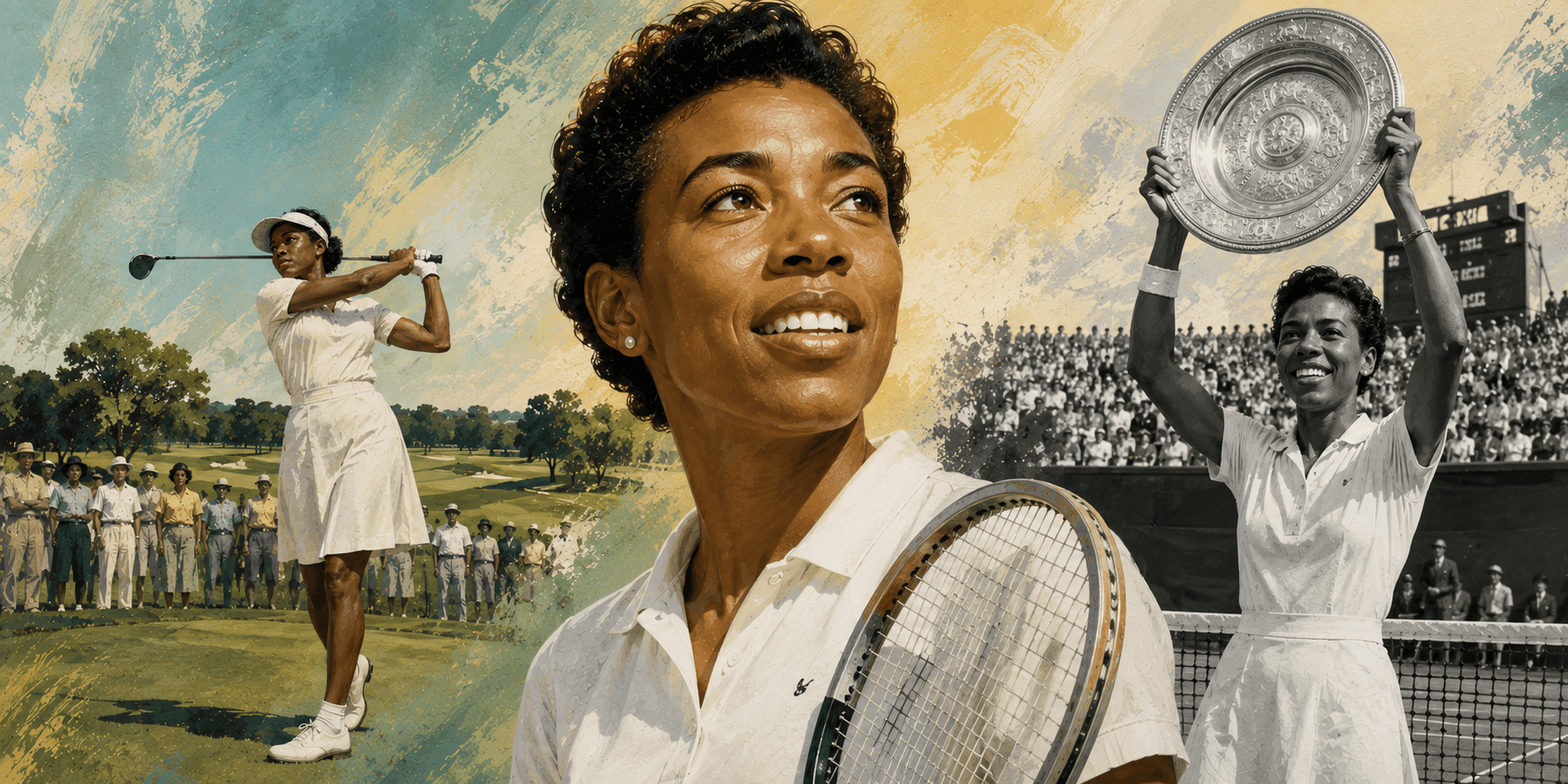
Althea Gibson’s Second Act
Most people remember Althea Gibson as a tennis legend. Fewer know she also became the first Black woman to compete on the LPGA Tour, breaking another barrier and opening doors for generations of Black women golfers.
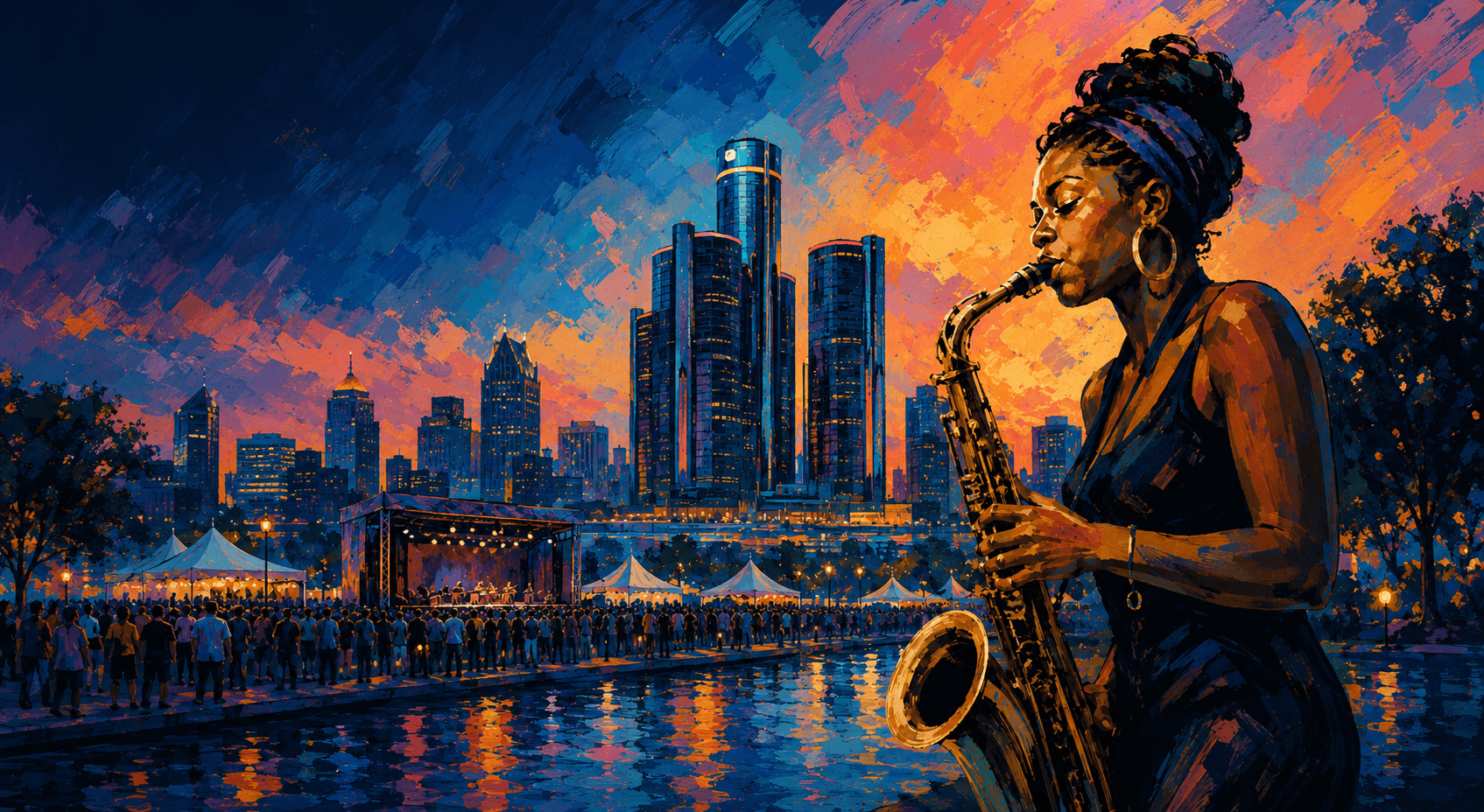
Detroit Jazz Festival 2026 Guide
A local guide to navigating the Detroit Labor Day weekend jazz celebration.
Help Us Get It Right
This coverage is a community project.
Spot something outdated? Know a person, business, or organization this story should connect to? A story we should tell next? It goes straight to our editors — privately.