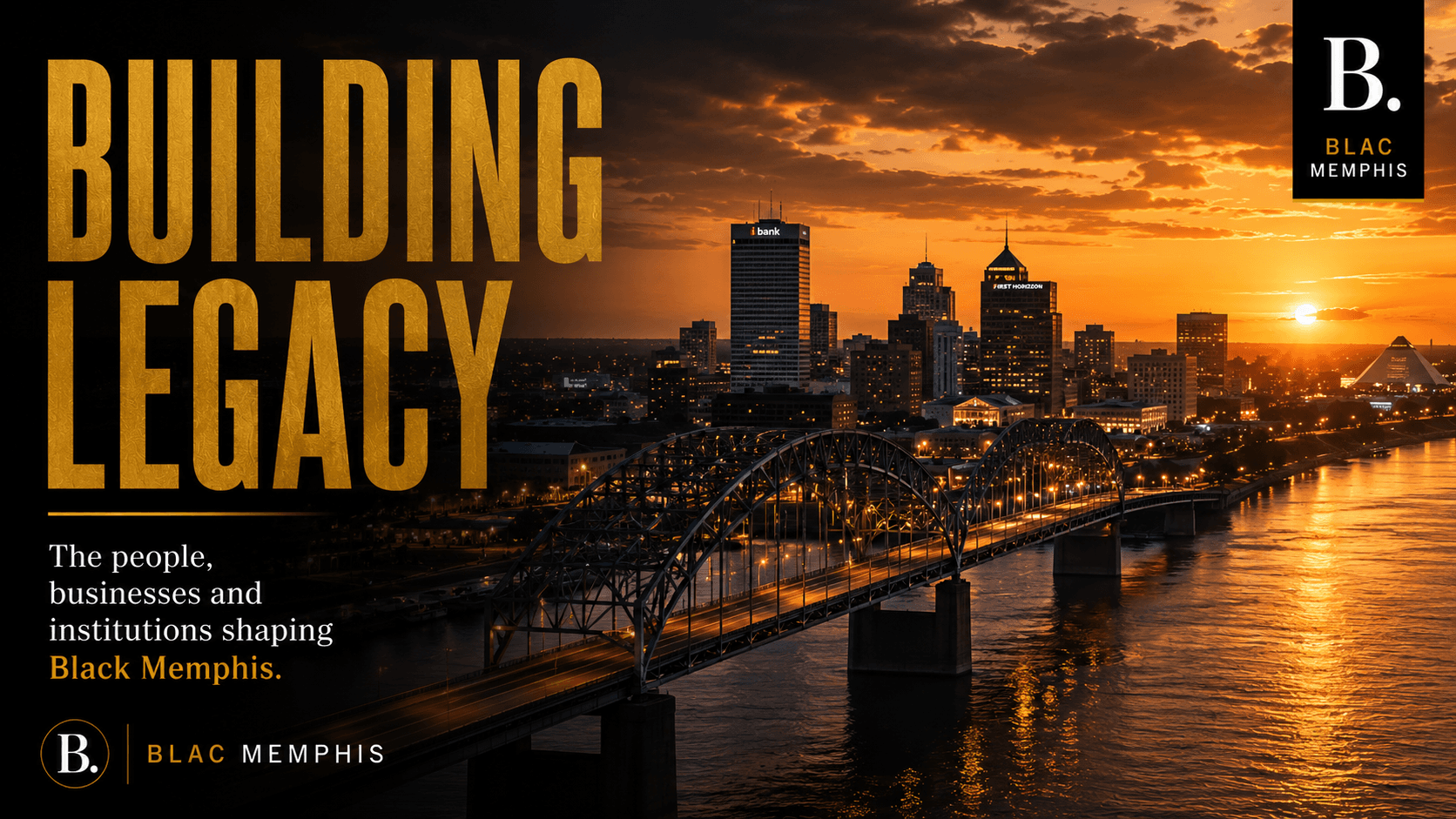

People and Institutions Shaping Black Memphis Today
Memphis holds a crucial role in Black America, intersecting civil rights, music, and entrepreneurship. The city’s significance persists through ongoing investments in neighborhoods, historic preservation, and econo

June 24, 2026 · Updated June 25, 2026
Memphis occupies a singular place in the story of Black America. The city sits at the intersection of civil rights history, music, entrepreneurship, faith, labor activism, and community institution-building. Its streets carry the legacy of movements that reshaped the nation, while its neighborhoods continue to serve as laboratories for Black leadership, economic development, and cultural preservation.
The significance of Memphis has never rested solely on its history. The city remains relevant because individuals and institutions continue to invest in its future. From City Hall to community banking, from historic preservation to business development, a network of leaders and organizations helps shape how Memphis responds to contemporary challenges while honoring the foundations built by previous generations.
That work takes many forms. It includes efforts to strengthen neighborhoods, expand economic opportunity, preserve historic landmarks, support entrepreneurs, and maintain institutions that have long served Black communities. Some of that leadership comes from elected officials. Some comes from nonprofit organizations, cultural stewards, and business advocates. In many cases, their work overlaps, illustrating how civic leadership, economic growth, and cultural preservation often depend upon one another.
The future of Black Memphis will not be determined by any single initiative or institution. Instead, it will emerge through the combined efforts of people and organizations working across sectors to address long-standing challenges while creating new opportunities. Together, they represent a modern infrastructure of community investment—one that draws strength from history while responding to the realities of the present.
These are some of the leaders and institutions helping shape Black Memphis today.


1. Paul Young
As mayor of Memphis, Paul Young occupies one of the most visible and consequential leadership positions in the city. His role extends beyond municipal administration. The office itself influences decisions related to economic development, neighborhood investment, public safety, infrastructure, and long-term planning, all of which affect the quality of life for Memphis residents.
Young’s leadership comes at a time when Memphis continues to navigate questions about growth, investment, and community stability. In a city where Black residents comprise a significant share of the population and where the legacy of civil rights activism remains deeply embedded in public life, mayoral leadership carries particular weight.
His involvement in conversations surrounding community development and historic preservation—including efforts connected to Clayborn Temple—illustrates the interconnected nature of civic leadership in Memphis. Decisions made by city government often influence whether historic landmarks receive support, how neighborhoods attract investment, and how public resources are allocated.
For Black Memphis, the significance of Young’s role lies not only in political leadership but also in the ability of City Hall to shape conditions that affect economic opportunity, community development, and public trust. The mayor’s office remains one of the central institutions through which the city’s future is negotiated.
2. Anasa Troutman
Few projects in Memphis better demonstrate the relationship between history and community investment than the ongoing restoration of Clayborn Temple, and Anasa Troutman has become one of the most visible leaders connected to that effort.
Troutman’s work centers on cultural stewardship and historic preservation, but its significance extends beyond maintaining a landmark. Through her leadership, restoration efforts have been framed as opportunities to reconnect communities with a site that played a defining role in the modern civil-rights movement.
Clayborn Temple is not simply a historic building. It represents a place where organizing, activism, and collective action converged during one of the most consequential periods in Memphis history. Troutman’s leadership reflects a broader understanding that preserving such spaces can serve contemporary community needs while protecting historical memory.
Her work also speaks to a growing national conversation about how Black historic sites are preserved and activated. Across the country, communities have grappled with questions about maintaining culturally significant spaces while ensuring they remain relevant to current generations.
In Memphis, Troutman’s role highlights how cultural leadership often requires balancing preservation, public engagement, and long-term community investment. The effort demonstrates that safeguarding history is not solely about protecting the past; it is also about strengthening the civic and cultural foundations that future generations inherit.
3. Ernest D. Strickland
Economic development conversations often focus on major corporations and large-scale investment projects. Ernest D. Strickland’s work highlights another essential component of local growth: entrepreneurship and small-business development.
As a leader focused on business growth and economic opportunity, Strickland has been associated with initiatives that support entrepreneurs and strengthen pathways to wealth creation. His work reflects the long-standing importance of Black business ownership within Memphis, a city with a rich history of entrepreneurship and community-based enterprise.
For many communities, small businesses serve functions that extend beyond commerce. They create jobs, generate local investment, and contribute to neighborhood stability. They also help circulate resources within communities that have historically faced barriers to capital and economic opportunity.
Strickland’s leadership connects to broader discussions about building sustainable economic ecosystems for Black entrepreneurs. Rather than viewing business ownership as an isolated achievement, such efforts emphasize the importance of networks, mentorship, advocacy, and institutional support.
In Memphis, where economic development remains a central civic concern, entrepreneurship continues to be viewed as one avenue for expanding opportunity and strengthening community resilience. Strickland’s work places him within a larger movement focused on ensuring that Black-owned businesses remain part of the city’s economic future.
4. Historic Clayborn Temple
Few sites in Memphis carry the historical weight of Clayborn Temple.
The church played a pivotal role during the 1968 sanitation workers’ strike, serving as an organizing and gathering space for workers whose demands for dignity and fair treatment became a defining chapter in American labor and civil-rights history. The strike also became inseparable from the final days of Dr. Martin Luther King Jr.’s life and activism in Memphis.
For decades, Clayborn Temple stood as a physical reminder of those events. Yet like many historic Black landmarks across the country, preservation presented ongoing challenges. Restoration efforts have sought to stabilize and revitalize the site while ensuring that its historical significance remains accessible to future generations.
The importance of Clayborn Temple extends beyond architecture. It functions as a repository of collective memory, connecting present-day Memphis to a moment when ordinary citizens organized to demand recognition, fairness, and change.
Its restoration reflects a broader recognition that preserving Black history requires more than commemorative plaques or annual observances. It requires sustained investment in the spaces where history unfolded.
As Memphis continues to define its future, Clayborn Temple serves as a reminder that civic progress and historical memory are deeply connected. The building remains one of the city’s most significant symbols of community organizing and collective action.
5. Black Chamber of Memphis
Strong entrepreneurial ecosystems rarely emerge without institutional support. The Black Chamber of Memphis serves as one of the organizations working to strengthen that support structure for Black-owned businesses throughout the region.
Business advocacy organizations often operate behind the scenes, connecting entrepreneurs with resources, professional networks, educational opportunities, and strategic guidance. Their work helps create conditions that allow businesses to grow and adapt in changing economic environments.
The Black Chamber of Memphis occupies an important place within that landscape. Its focus on supporting Black entrepreneurs aligns with a broader effort to ensure that economic growth is accessible to a wider range of business owners and communities.
The organization’s significance extends beyond individual companies. Strong business networks can contribute to job creation, local investment, and increased economic participation. They also provide forums where business owners can share knowledge, build partnerships, and address common challenges.
Within Memphis, where entrepreneurship remains a critical component of economic development, the chamber represents an institutional commitment to cultivating Black business leadership. Its work reflects the understanding that sustainable growth often depends on organizations that can connect people, resources, and opportunities across sectors.
6. Soulsville Foundation
The story of Soulsville is often told through music, but its contemporary significance extends well beyond cultural legacy.
The Soulsville Foundation carries forward the heritage associated with Stax while connecting that history to education, community development, and economic opportunity. In doing so, it demonstrates how cultural institutions can serve as engines for broader community engagement.
Memphis’ influence on American music is well documented, yet preserving that legacy requires more than maintaining archives or celebrating anniversaries. It requires creating pathways through which history continues to generate value for contemporary communities.
The foundation’s work reflects that philosophy. By linking education initiatives with cultural preservation, Soulsville helps ensure that younger generations understand the significance of Memphis’ artistic contributions while also accessing opportunities that support personal and professional development.
Its role also highlights the economic dimensions of cultural preservation. Historic cultural districts, educational programs, and support for community-centered development can contribute to neighborhood vitality and long-term investment.
In a city where music remains central to identity and global recognition, the Soulsville Foundation illustrates how cultural institutions can bridge the past and present while supporting broader community goals.
7. Tri-State Bank
Black-owned financial institutions have long occupied a distinctive place in American economic history. They emerged, in many cases, because Black communities faced limited access to traditional banking services and lending opportunities.
Tri-State Bank remains part of that legacy in Memphis.
Community banks often serve as critical intermediaries between financial resources and local economic activity. Their lending decisions can influence business formation, homeownership, neighborhood investment, and access to capital. For Black communities, institutions with deep local roots have historically played an especially important role in addressing gaps in financial access.
The continued presence of Tri-State Bank speaks to the enduring importance of community-centered banking. While the financial industry has undergone significant consolidation over the years, Black-owned institutions remain important symbols of economic self-determination and local investment.
In Memphis, the bank represents more than a financial institution. It reflects a tradition of institution-building that has helped sustain Black economic participation across generations.
As conversations about wealth-building, entrepreneurship, and financial inclusion continue, Tri-State Bank remains connected to a larger story about access to capital and the importance of maintaining institutions capable of serving community needs.
Looking Forward
The story of Black Memphis has always been shaped by more than individual achievement. It is a story of institutions, neighborhoods, businesses, churches, civic organizations, and leaders working within a larger ecosystem of community development and cultural preservation.
The individuals and organizations highlighted here operate in different arenas, yet their work intersects around common themes: investment, stewardship, opportunity, and continuity. Together, they illustrate how Memphis continues to build upon its historic foundations while responding to contemporary challenges.
In a city whose influence has long extended beyond Tennessee, that ongoing work remains one of the most important parts of the Memphis story.
Filed under
Every question deserves a better answer than a search result — here's where this story leads.
BLAC America Begins Here
Every number has a story. Every map has a history. BLAC America is a new editorial experience exploring Black America through data, history, and original reporting.

Motown Records Launches New Legends Internship to Cultivate the Next Generation of Black Music Leaders
Motown Records is investing in tomorrow’s music industry leaders. Its new New Legends Internship Program gives HBCU students paid experience, executive mentorship, and a direct pathway into careers behind the scenes at one of music’s most iconic labels. #Motown #HBCU #BlackMusicMonth #MusicIndustry #BlackExcellence #BLACMagazine
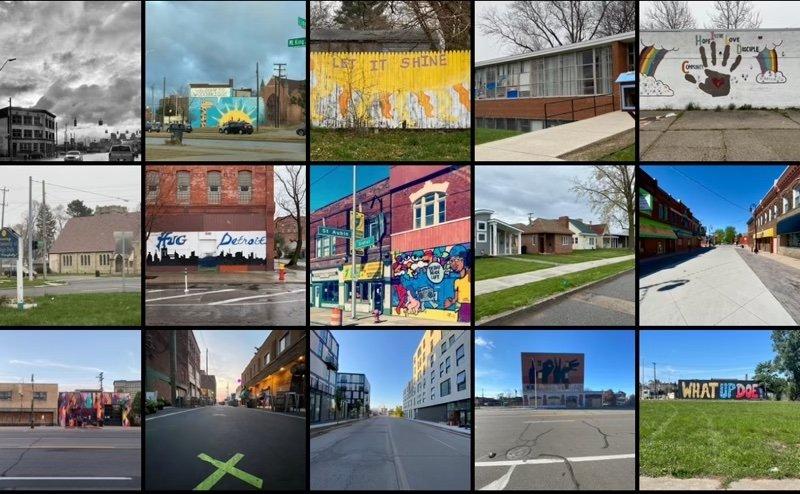
Community Developers Are Betting on Detroit — And the Neighborhoods Are Changing
Discover how community developers and CDFIs are transforming Detroit neighborhoods through strategic investments and grassroots development projects.
Help Us Get It Right
This coverage is a community project.
Spot something outdated? Know a person, business, or organization this story should connect to? A story we should tell next? It goes straight to our editors — privately.