Community Developers Are Betting on Detroit — And the Neighborhoods Are Changing
Discover how community developers and CDFIs are transforming Detroit neighborhoods through strategic investments and grassroots development projects.

June 25, 2026 · Updated June 25, 2026
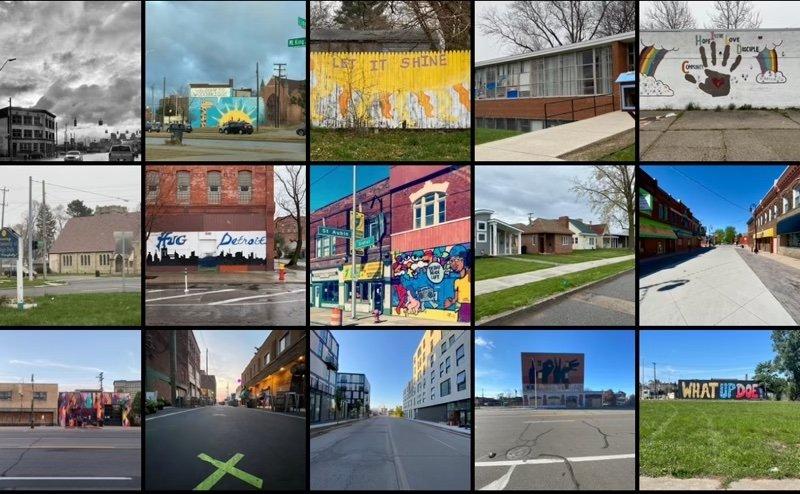
Community developers aren’t waiting for outside investors to decide Detroit’s future. Across the city, neighborhood-based builders are partnering with community development financial institutions (CDFIs) to transform vacant properties into housing, commercial spaces, and community assets—one project at a time.
According to Model D, these developers often live in the very neighborhoods they’re revitalizing, giving them a long-term stake in outcomes that extends beyond financial returns. Rather than pursuing large-scale speculative projects, they focus on creating developments that strengthen existing communities while minimizing displacement. (Model D)
Community development leaders say CDFIs play a critical role by providing flexible financing and technical assistance that traditional lenders frequently won’t offer, particularly to emerging developers without extensive project portfolios. Organizations such as the Community Economic Development Association of Michigan (CEDAM) help connect developers with training, capital resources, and industry expertise needed to move neighborhood projects from concept to completion. (Model D)
One example highlighted in the reporting is Detroit developer Candus Rucker, who secured a $250,000 loan from Opportunity Resource Fund, a Michigan-based CDFI, to rehabilitate a four-unit affordable housing property in the neighborhood where she grew up. That initial investment has since positioned her to pursue a $12 million, 27-unit housing development on the same block, illustrating how early-stage financing can create larger redevelopment opportunities. (Partners for the Common Good)
Emily Reyst, CEDAM’s director of external affairs, told Model D that community developers are uniquely positioned to “revitalize without displacement” by rehabilitating vacant buildings, increasing housing options, and improving neighborhood stability while keeping residents’ needs at the center of development decisions. (Model D)
Marcus Rankins, senior vice president and chief operating officer of Opportunity Resource Fund, said emerging developers who already have roots in their communities often understand neighborhood needs better than outside investors and can create projects with lasting local impact. The lender provides financing throughout Michigan to help close gaps that conventional banks may view as too risky. (Model D)
The broader strategy reflects a growing emphasis on community-led development in Detroit. CDFIs such as Invest Detroit have spent years deploying mission-driven capital into underserved neighborhoods, combining lending with technical support to help catalyze commercial corridors, affordable housing, and small business growth beyond downtown. (Invest Detroit)
Rather than measuring success solely by new construction, advocates argue the real benchmark is whether longtime residents can remain, build wealth, and benefit from neighborhood improvements. As Detroit continues its redevelopment, community developers and CDFIs are betting that sustainable investment begins with people who already call these neighborhoods home.
Source Credit
This article is syndicated from reporting originally published by Model D. Original reporting by Sarah Spohn, published June 8, 2026. (Model D)
Photo Credit
Filed under
Every question deserves a better answer than a search result — here's where this story leads.
BLAC America Begins Here
Every number has a story. Every map has a history. BLAC America is a new editorial experience exploring Black America through data, history, and original reporting.

Motown Records Launches New Legends Internship to Cultivate the Next Generation of Black Music Leaders
Motown Records is investing in tomorrow’s music industry leaders. Its new New Legends Internship Program gives HBCU students paid experience, executive mentorship, and a direct pathway into careers behind the scenes at one of music’s most iconic labels. #Motown #HBCU #BlackMusicMonth #MusicIndustry #BlackExcellence #BLACMagazine
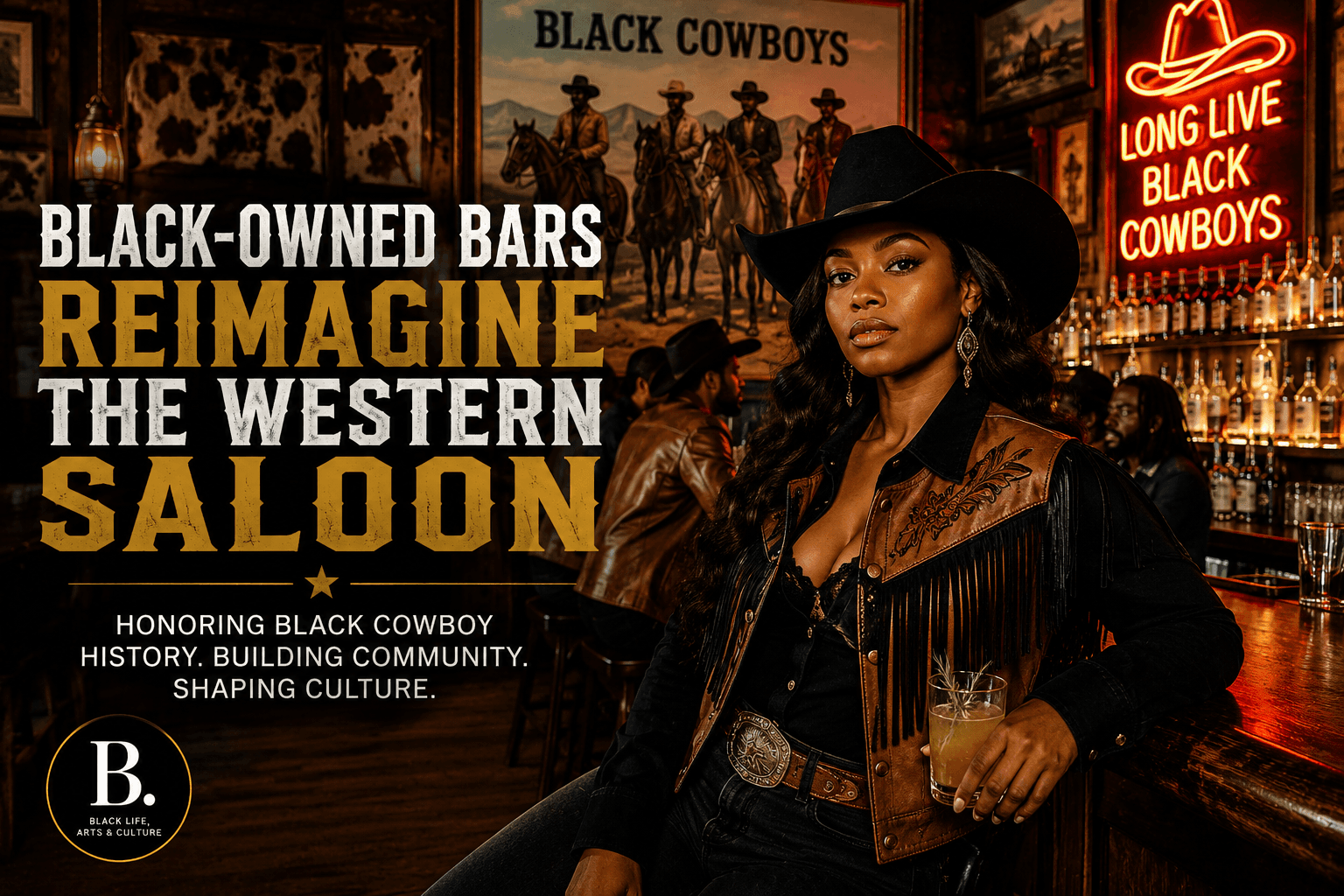
Black-Owned Bars Put a New Spin on Western Saloon Culture While Honoring Black Cowboy History
Black-owned bars across the country are reinventing Western saloon culture while shining a light on the rich history of Black cowboys. The movement blends entrepreneurship, nightlife, and cultural preservation in a way that’s resonating with a new generation. #BlackBusiness #BlackCowboys #WesternCulture #BLACMagazine
Help Us Get It Right
This coverage is a community project.
Spot something outdated? Know a person, business, or organization this story should connect to? A story we should tell next? It goes straight to our editors — privately.