
Yael Cardwell had done something difficult.
She had paid off $20,000 in debt. The next step seemed obvious: start investing.
So Cardwell opened a Robinhood account and began learning the way plenty of people do. She bought stocks, watched videos and read what she could find. Eventually, she was approved to trade options despite having little understanding of how options worked.
Then she lost more than $600 in a single day.
The money bothered her. What bothered her more was realizing she did not fully understand the decision that had cost her the money.
“I wasn’t looking for someone to trade for me,” Cardwell wrote on Optionnaire’s Kickstarter campaign. “I wanted to understand what I was doing.”
That distinction became the idea behind Optionnaire.
When the information is everywhere
Financial education is not hard to find online. Videos, courses, newsletters and influencers offer an endless stream of advice. But access to information does not always produce understanding.
According to research shared by Optionnaire, the company surveyed 248 potential users while developing the app. More than 75% said they wanted to learn how to invest, while 74% said existing tools felt too complex or overwhelming.
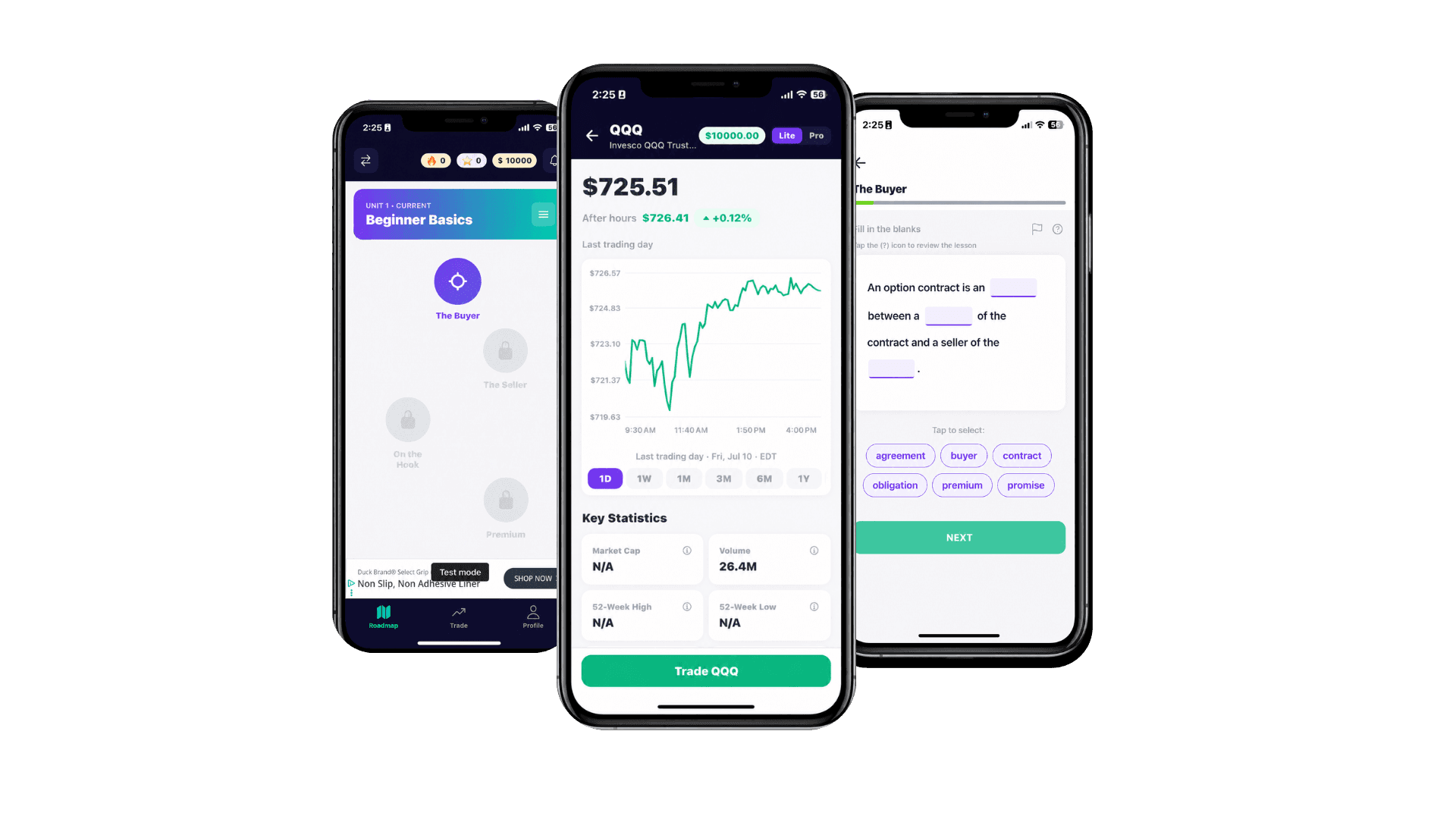
Optionnaire is designed for that gap. The app breaks investing concepts into five-minute lessons written in plain language. Users can practice through paper trading with simulated money, follow real-market examples and use AI-guided training without putting their own money at risk.
The app is now available through Apple’s App Store and Google Play. Optionnaire says its core education remains free, giving beginners a place to learn before they make real financial decisions.
A Detroit foundation
Cardwell’s interest in financial education began before she built an app.
As a teenager in Detroit, she participated in Money Matters for Youth, the financial literacy program founded by financial educator Gail Perry-Mason. The program introduced young people to money management, investing and long-term wealth building.
That early exposure did not prevent every mistake. It did, however, give Cardwell a framework for asking better questions when she encountered a loss. Rather than walk away, she became curious about what had gone wrong.
That curiosity shapes Optionnaire’s approach. The goal is not to tell users what to buy. It is to help them understand the language, choices and risks involved before they act.
From an idea to a funded platform
Optionnaire’s Kickstarter campaign surpassed its $3,000 goal, raising $4,520 from 30 backers. The company now describes the campaign as funded and the product as live.
The finished app combines short lessons with simulated practice so users can test what they are learning. That matters in a category where confidence can arrive before comprehension—and where one poorly understood decision can cost real money.
Optionnaire does not promise to remove risk from investing. It offers something more practical: a chance to slow down, learn the terms and understand the decision before making it.
For Cardwell, the difference is personal. Following someone else’s trade may produce a result. Understanding why the trade works—or why it does not—can build knowledge that lasts beyond it.
Learn more at Optionnaire, review the completed Kickstarter campaign or visit Money Matters for Youth.
Hero image courtesy of Optionnaire.