

It can be challenging for parents to encourage their children to eat more fruits and vegetables. This is especially true if you’re trying to get your child to eat healthier foods because they’re picky or simply don’t like them. However, there are ways that you can help your child develop a love of fruits and vegetables—for example, by making them fun or using different preparation methods than those used at home. The following tips will help make it easier for your child to try out new foods:
Provide a variety of healthy foods in your home.
Providing a variety of healthy foods in your home is one way to help your child develop a taste for fruits and vegetables.
- Keep fresh fruits and vegetables on hand. If you have a choice between canned, frozen or fresh produce, go with the latter two options. Canned goods are more likely to be high in sodium and contain preservatives; frozen veggies tend not to lose their color or flavor as quickly as those stored in plastic bags or containers at room temperature (and some can even be eaten straight from their packaging!). In addition, both types will keep longer than fresh produce because they’re preserved during processing–so no more throwing away moldy strawberries after two days!
- Keep them accessible. If you want kids who eat well throughout childhood and beyond, make sure there’s no barrier between them and those delicious fruits & veggies: Put them front-and-center on shelves where kids can see them; place them next to snacks so they’re convenient when hunger strikes; put baskets full of fruit slices into cars so everyone gets hydrated while traveling long distances together…you get the idea!
Offer your child a variety of tastes to try.
You can encourage your child to eat more fruits and vegetables by making sure that they are exposed to a variety of tastes. The more different foods your child tries, the more likely they will find something that they like.
- Offer your child a variety of tastes. If you only offer them carrots, broccoli and peas, it will be harder for them to develop a love for these healthy foods because their taste buds are not accustomed to that flavor profile yet!
- Let them try new foods at home and when eating out with family or friends:
- If the food is something new (e.g., acorn squash), cut it into small pieces so it looks like fun finger food rather than an intimidating chunk of vegetable! -Make sure there is nothing else on the plate besides this new dish–so no sauce or dressing until after they’ve tried what’s in front of them first! -If they don’t like something right away but want another bite later on down the road after being exposed multiple times over time period then go ahead let them have another bite without complaint but only offer once per sitting period (about every hour).
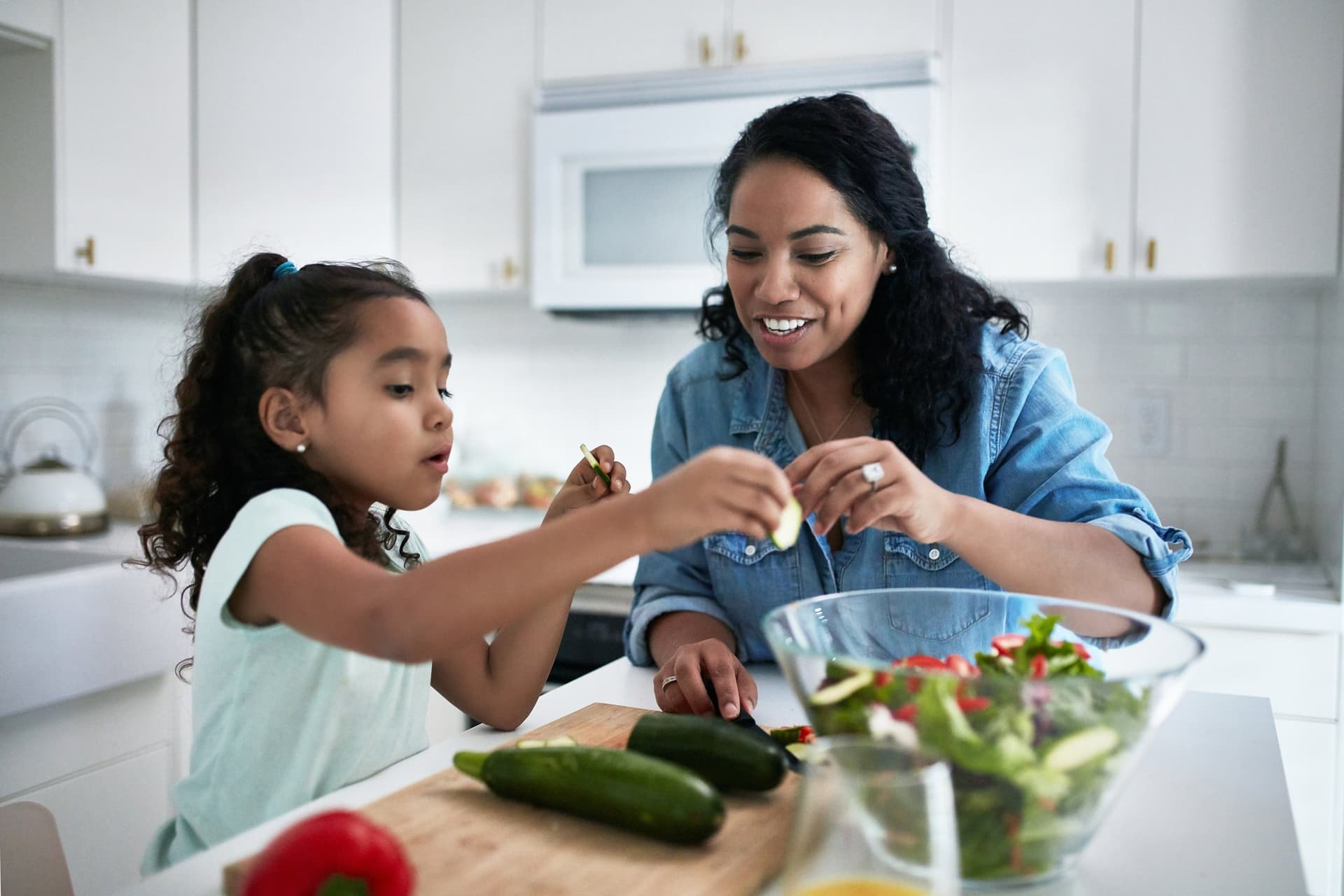
Let your child help you prepare meals.
- Let your child help you prepare meals.
- Children learn by doing and can help with chopping, peeling, stirring and cooking. This is an excellent way for kids to learn about the importance of healthy eating as well as gain useful skills in the kitchen.
Engage your child in the shopping process.
- Involve your child in the shopping process.
- Take them to the grocery store with you, and let them pick out their own fruit and vegetables.
- Show them how to check for freshness by looking at the color and texture of each piece of produce (for example, green bell peppers should feel firm).
- Make it fun! If they’re excited about what they bought, they’re more likely to eat it!
Make eating fruits and vegetables fun.
- Make it a game.
- Include them in the preparation of the meal.
- Include them in the conversation about the meal.
- Include them in cleanup of the meal.
Include your children in meal planning and preparation.
You can also involve your children in meal planning and preparation. Try asking them to pick out a recipe, or find a recipe online and have them help you make it. Ask them to help you shop for ingredients, too!
If they’re old enough, give them some responsibilities when it comes time to actually prepare the meal. Letting kids chop vegetables or wash dishes gives them ownership over what goes on in the kitchen — and it might even encourage them to eat what they’ve helped prepare!
Let them make food choices for themselves sometimes.
- Let them choose their own fruit from the grocery store.
- Let them choose their own vegetables from the grocery store.
- Let them choose what they want to eat for lunch, and let them pack it themselves (if you’re worried about food safety, just make sure it’s not something that will go bad quickly).
- Give your child some options when it comes to snacks: “Do you want an apple or an orange?”
It takes time to develop healthy eating habits
While it takes time, parents can help children develop healthy eating habits by providing them with healthy options, teaching them about food, engaging them in the cooking process and fostering an environment where they feel comfortable making choices about what they eat.
Children learn by example–so if you want to encourage your child to eat more fruits and vegetables, you must be a good role model yourself! Try to set a good example by eating healthy foods yourself so that your child sees how much you enjoy them.
It’s also important to teach children about what goes into their bodies when they eat something (or don’t eat something) so that they understand why certain foods are better for their health than others. You might want to talk about how tomatoes are red because they contain lycopene which helps protect our hearts; or explain how bananas are yellow because of all the potassium inside them which helps keep us strong muscles; or show them how cucumbers have lots of water which keeps us hydrated during hot days outside playing sports activities like soccer practice sessions with friends!
A Healthy Diet
Eating a variety of fruits and vegetables is an important part of a healthy diet. Children who eat more fruits and vegetables are less likely to develop chronic illnesses like diabetes, cancer and heart disease later in life. Parents can help their children develop these healthy eating habits by providing them with nutritious foods at home and engaging them in meal planning, preparation and shopping.
Filed under